
March and ash near me is a phrase that sparks curiosity among woodworkers, carpenters, and homeowners alike. March and ash are two types of wood that have been prized for their unique characteristics, versatility, and aesthetic appeal. Whether you’re looking to add a touch of warmth to your living space or create a stunning piece of furniture, understanding the differences and benefits of march and ash wood can make all the difference. In this comprehensive guide, we’ll delve into the world of march and ash, exploring their unique properties, uses, and why they’re perfect for your next project.
Both march and ash are deciduous hardwoods that belong to the Prunus and Fraxinus families, respectively. Native to Europe and North America, these trees have been valued for their wood for centuries. March, also known as Prunus avium, is a versatile wood that’s prized for its fine grain, durability, and workability. Ash, on the other hand, is renowned for its strength, elasticity, and resistance to shock. As a result, both woods are popular choices for a wide range of applications, from furniture-making to tool handles.
When it comes to finding march and ash near me, you’ll want to consider factors like availability, cost, and quality. Both woods can be sourced locally or through online suppliers, but it’s essential to ensure you’re purchasing from a reputable dealer. With the rise of sustainable forestry practices, many suppliers now offer certified, responsibly-sourced march and ash wood products.
Understanding the Properties of March Wood

March wood is a hardwood that’s prized for its:
- Fine grain: March wood has a straight, even grain that makes it ideal for fine woodworking projects.
- Durability: March wood is resistant to decay and insect damage, making it perfect for outdoor applications.
- Workability: March wood is easy to work with, taking nails and screws well and finishing beautifully.
Exploring the Benefits of Ash Wood
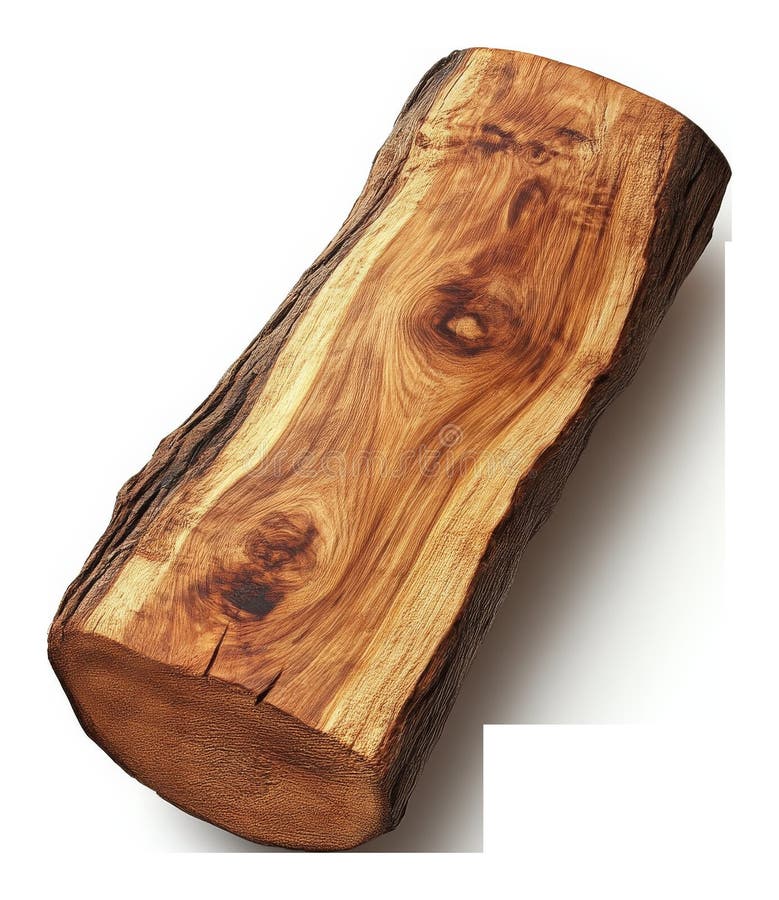
Ash wood, on the other hand, boasts:
- Strength: Ash wood is incredibly strong and resistant to shock, making it perfect for tool handles and sporting goods.
- Elasticity: Ash wood has a high elasticity, allowing it to absorb and distribute impact forces.
- Resistance to decay: Ash wood is resistant to decay and insect damage, ensuring it lasts for years to come.
Comparing March and Ash Wood: A Comprehensive Table
| Property | March Wood | Ash Wood |
|---|---|---|
| Grain | Straight, even | Coarse, irregular |
| Durability | Resistant to decay and insect damage | Resistant to decay and insect damage |
| Workability | Easy to work with | Can be difficult to work with |
| Strength | Medium to high | High |
| Elasticity | Low to medium | High |
Expert Tips for Working with March and Ash Wood
- Always choose woods from reputable suppliers to ensure quality and sustainability.
- When working with march and ash wood, use sharp tools and follow proper cutting techniques to avoid waste and injury.
- Finish your projects with a high-quality sealant to enhance the natural beauty of the wood.
March and Ash Near Me: Finding the Perfect Supplier
When searching for march and ash near me, look for suppliers that offer:
- Certified, responsibly-sourced wood products
- A wide selection of march and ash wood products
- Competitive pricing and excellent customer service
Conclusion
In conclusion, march and ash near me are two incredible woods that offer unique benefits and characteristics. Whether you’re a seasoned woodworker or a DIY enthusiast, understanding the properties and uses of these woods can help you create stunning projects that last a lifetime. Remember to choose reputable suppliers, work with high-quality tools, and always follow proper techniques to ensure the best results. With march and ash, the possibilities are endless – so start exploring and find the perfect wood for your next project today!

