
Moon Rocks Near Me: Your Ultimate Guide to Collecting Lunar Specimens
Are you fascinated by the mysteries of the moon and its rocky surface? Do you dream of holding a piece of lunar history in your hands? Look no further! In this comprehensive guide, we’ll take you on a journey to discover moon rocks near you, exploring the best places to find them, how to identify authentic specimens, and what to do with your newfound lunar treasures.
The allure of moon rocks lies in their rarity and the incredible stories they tell. With over 50 years of lunar exploration, NASA and other space agencies have brought back thousands of rocks and soil samples from the moon’s surface. These specimens offer a unique glimpse into the moon’s geology, history, and evolution. Whether you’re a seasoned collector or a curious beginner, we’ll provide you with the essential knowledge to navigate the world of moon rocks.
Understanding the History of Moon Rocks
The first moon rocks were collected during the Apollo 11 mission in 1969, when Neil Armstrong and Buzz Aldrin returned with a total of 48 pounds of lunar material. Since then, subsequent missions have retrieved over 842 pounds of moon rocks and soil, which are now stored in museums and research facilities around the world.
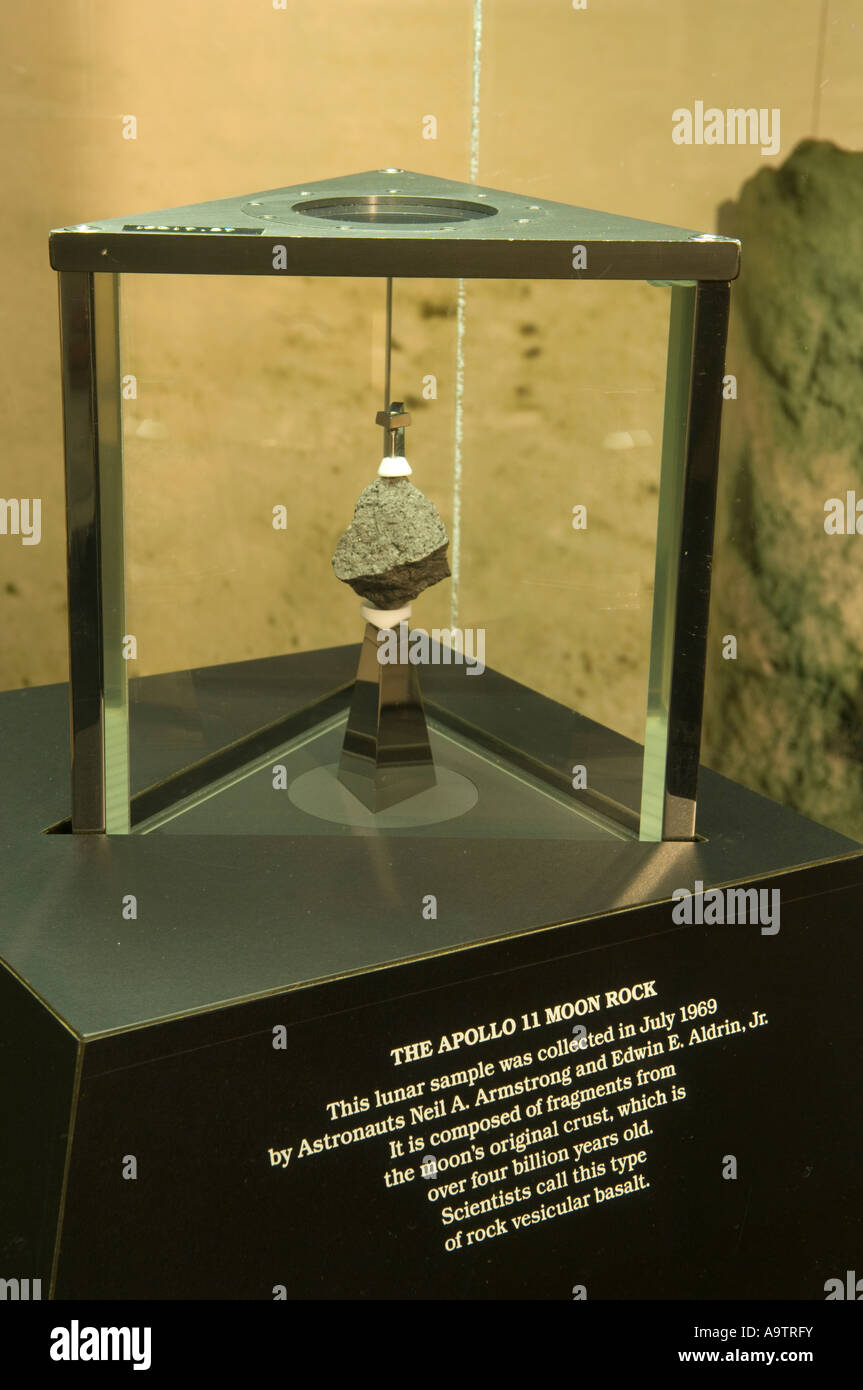
These rocks are not only scientifically significant but also hold immense cultural and historical value. They serve as a tangible connection to humanity’s achievement in space exploration and a testament to the incredible advancements we’ve made in understanding our universe.
Where to Find Moon Rocks Near Me
While moon rocks are not readily available for purchase, you can find authentic specimens at various locations, including:
- Museums and galleries featuring lunar exhibits
- Space agencies and research institutions with moon rock collections
- Online marketplaces and auction houses specializing in space memorabilia
- Private collections and exhibitions showcasing moon rocks and related artifacts
When searching for moon rocks near you, be cautious of counterfeit or replica specimens. Ensure that any vendor or seller you interact with is reputable and provides authentic, well-documented moon rocks.
Identifying Authentic Moon Rocks
Authentic moon rocks are rare and highly sought after by collectors. To verify the legitimacy of a specimen, look for the following characteristics:
- Certification: Check for documentation from reputable organizations, such as NASA or the Smithsonian Institution, confirming the rock’s origin and authenticity.
- Provenance: Research the rock’s history, including its collection date, location, and any previous owners or exhibitions.
- Physical characteristics: Inspect the rock’s texture, color, and composition, which should match the descriptions provided by space agencies and scientific studies.
Collecting Moon Rocks: Tips and Advice
If you’re new to collecting moon rocks, here are some essential tips to keep in mind:
- Research and education: Continuously learn about moon rocks, their history, and their significance to ensure you make informed decisions when collecting.
- Network with other collectors: Join online forums, attend space-related events, and connect with experienced collectors to share knowledge and best practices.
- Handle moon rocks with care: Moon rocks are delicate and valuable, so treat them with respect and caution to preserve their integrity.
Comparison of Key Aspects of Moon Rocks
| Characteristics | Apollo 11 | Apollo 15 | Apollo 16 |
|---|---|---|---|
| Rock Type | Basalt | Anorthosite | Olivine basalt |
| Collection Date | July 1969 | July 1971 | April 1972 |
| Weight | 48 pounds | 171 pounds | 96 pounds |
| Location | Mare Tranquillitatis | Hadley Rille | Cayley Formation |
Expert Tips for Collecting Moon Rocks
- Start with replicas: Before investing in authentic moon rocks, consider starting with replicas or mock-ups to gain experience and develop your knowledge.
- Join online communities: Engage with online forums and social media groups dedicated to moon rock collectors to learn from others and share your own experiences.
- Attend space-related events: Attend conferences, exhibitions, and auctions to network with collectors, experts, and vendors.
Frequently Asked Questions about Moon Rocks Near Me
- Q: Can I buy moon rocks online?
A: While it’s possible to find moon rocks online, be cautious of counterfeit or replica specimens. Ensure you’re purchasing from a reputable vendor. - Q: What’s the difference between a moon rock and a meteorite?
A: Moon rocks are formed from the moon’s surface, while meteorites are fragments of asteroids or other celestial bodies that have fallen to Earth. - Q: Can I visit a moon rock collection in person?
A: Yes, many museums and research facilities have moon rock collections that are open to the public. Check with local institutions or space agencies for exhibit information.
Conclusion
Collecting moon rocks is a unique and fascinating hobby that offers a glimpse into the moon’s history and geology. By understanding the history of moon rocks, identifying authentic specimens, and following expert tips, you can navigate the world of lunar collecting with confidence. Whether you’re a seasoned collector or just starting your journey, remember to handle moon rocks with care, respect, and a passion for the wonders of space exploration.
Meta Description: Discover the ultimate guide to collecting moon rocks near you, including where to find authentic specimens, how to identify them, and expert tips for beginners.
Meta Keywords: moon rocks, lunar collecting, space exploration, moon rocks near me, collecting moon rocks, authentic moon rocks, moon rock identification, moon rock collecting tips.

