Cattle Farms Near Me: Find Your Local Ranch for Fresh Beef and Sustainable Practices
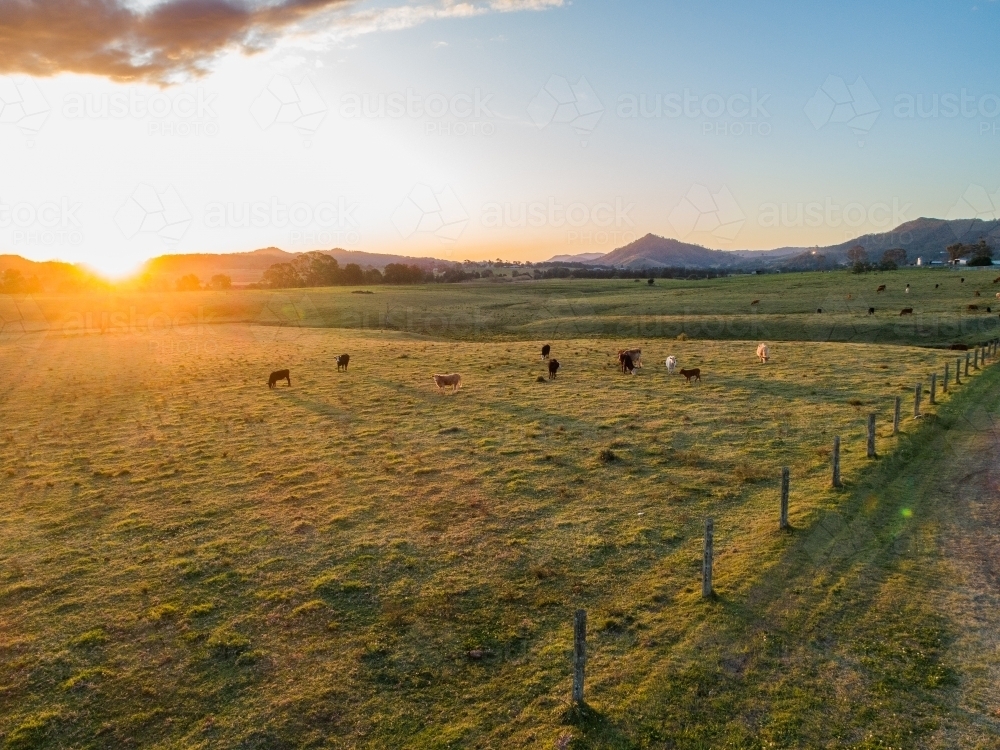
As a consumer, you want the best for yourself and your family. When it comes to beef, you have the power to choose where it comes from and how it’s produced. Cattle farms near you offer a direct connection to the source, ensuring freshness and quality. But what does it mean to find a cattle farm near you, and how can you make informed decisions about your beef purchases? In this article, we’ll explore the world of local cattle farming, highlighting key aspects, benefits, and expert tips to help you navigate the process.
Understanding Local Cattle Farms: Benefits and Opportunities
For many, the idea of buying beef directly from a local farm may seem daunting or unfamiliar. However, the advantages of supporting local agriculture are numerous. Not only do you contribute to your community’s economy, but you also gain access to higher-quality products, often with better nutritional profiles and fewer environmental impacts.
One of the primary benefits of purchasing beef from local cattle farms is the freshness and variety of products available. Farms near you often offer a range of cuts, from grass-fed ribeyes to pasture-raised ground beef. By buying directly from the source, consumers can enjoy the peak flavor and texture of these cuts, which may not be possible with industrially produced beef.
Key Considerations When Choosing a Cattle Farm Near You
When searching for a local cattle farm, several factors come into play. First and foremost, consider the farm’s location and accessibility. Are they easily reached by car, and are there opportunities for farm visits? Next, think about the different types of cattle farming practices in your area. Some farms may specialize in organic or regenerative methods, while others may prioritize efficiency and higher yields. Understanding these differences is crucial for making informed decisions about your beef choices.
Another critical aspect is the farm’s commitment to animal welfare and sustainability. Look for farms that prioritize the health and well-being of their animals, as well as their environmental impact. This might include practices like rotational grazing, which helps maintain soil quality and biodiversity.
Comparison of Cattle Farming Methods
| Method | Description | Advantages | Disadvantages |
|---|---|---|---|
| Grass-Fed | Cattle raised on pasture, with no added feed. | Higher nutritional value, better flavor, lower environmental impact. | Higher costs, potential for lower yields. |
| Organic | Cattle raised without synthetic pesticides or fertilizers. | Better for animal health, lower environmental impact, improved soil quality. | Higher costs, potential for lower yields. |
| Regenerative | Cattle raised using methods that promote soil health and biodiversity. | Enhanced soil quality, increased water retention, improved ecosystem services. | Higher costs, potential for lower yields. |
Expert Tips for Finding Cattle Farms Near You
- Visit local farmers’ markets: Interact with local farmers, ask questions, and get a feel for their operations.
- Check online directories: Utilize resources like the USDA’s National Farmers Market Directory or local agricultural associations to find farms in your area.
- Look for certifications: Search for organic, grass-fed, or regenerative certifications, which can indicate a farm’s commitment to quality and sustainability.
- Read reviews and ratings: Check online reviews from other customers to gauge a farm’s reputation and customer satisfaction.
Frequently Asked Questions about Cattle Farms Near Me
Frequently Asked Questions about Cattle Farms Near Me
Q: What’s the difference between grass-fed and grain-fed beef?
Grass-fed beef comes from cattle raised on pasture, with no added feed. This results in higher nutritional value and better flavor. Grain-fed beef, on the other hand, comes from cattle raised on a diet of grains like corn and soybeans. While it may be cheaper, grain-fed beef often has lower nutritional value and a less desirable taste.
Q: Are cattle farms near me regulated by the government?
Yes, cattle farms near you are subject to various regulations and guidelines from government agencies like the USDA and local health departments. These regulations ensure animal welfare, food safety, and environmental protection.
Q: Can I visit a cattle farm near me?
Yes, many local cattle farms offer tours or farm visits, allowing you to see their operations firsthand. This is an excellent opportunity to ask questions and learn more about their practices and products.
Q: How do I know if a cattle farm near me is sustainable?
Look for farms that prioritize regenerative practices, such as rotational grazing and cover cropping. These methods help maintain soil health, reduce erosion, and promote biodiversity.
Conclusion
In conclusion, finding a cattle farm near you offers numerous benefits, from fresher and higher-quality beef to supporting your local community and promoting sustainable practices. By understanding the different types of cattle farming practices, considering key factors like animal welfare and environmental impact, and seeking expert advice, you can make informed decisions about your beef purchases. Whether you’re a foodie, an environmental enthusiast, or simply a concerned consumer, local cattle farms offer a more direct and satisfying way to enjoy the best beef has to offer.
Meta Tags

