Check Engine Light Near Me: Understanding the Warning Signs and Diagnostic Tips for Repair

The check engine light, a constant companion to many drivers, has become an unwelcome visitor to the dashboard of millions of vehicles worldwide. It’s a warning sign that something is amiss beneath the hood, but deciphering its meaning can be a daunting task. Whether you’re a seasoned car owner or a newbie behind the wheel, understanding what the check engine light near you means is crucial to preventing costly repairs and ensuring your safety on the road. In this comprehensive guide, we’ll delve into the world of the check engine light, exploring its origins, common causes, and diagnostic tips to help you tackle the issue.
When the check engine light comes on, it’s often a harbinger of an underlying problem that needs attention. With the constant evolution of technology in the automotive world, the check engine light has become an essential tool for drivers, serving as a warning system that alerts you to potential issues before they escalate into major problems. By understanding what the check engine light near you means, you can avoid the frustration and financial strain of dealing with unexpected breakdowns.
In this article, we’ll explore the various reasons behind the check engine light, from minor issues to more serious concerns. We’ll also provide you with actionable insights, examples, and data points to help you identify and diagnose the problem. Whether you’re looking for a quick fix or a more in-depth understanding of the check engine light near you, this guide has got you covered.
Common Causes of the Check Engine Light
Understanding the Possible Causes
The check engine light is a critical indicator of an issue with your vehicle’s engine or emissions system. The light can be triggered by a wide range of problems, from loose gas caps to more complex issues like faulty oxygen sensors or catalytic converter failure. In this section, we’ll break down the most common causes of the check engine light near you.
- Sensor Issues: Faulty oxygen sensors, mass airflow sensors, or other electronic sensors can trigger the check engine light. These sensors monitor the performance of your engine and emissions system, and when they malfunction, the light will come on.
- Loose or Faulty Gas Cap: A loose or damaged gas cap can trigger the check engine light, as the car’s computer system detects a slight vacuum leak.
- Catalytic Converter Failure: A faulty catalytic converter can cause the check engine light to illuminate, as it fails to convert pollutants into less harmful gases.
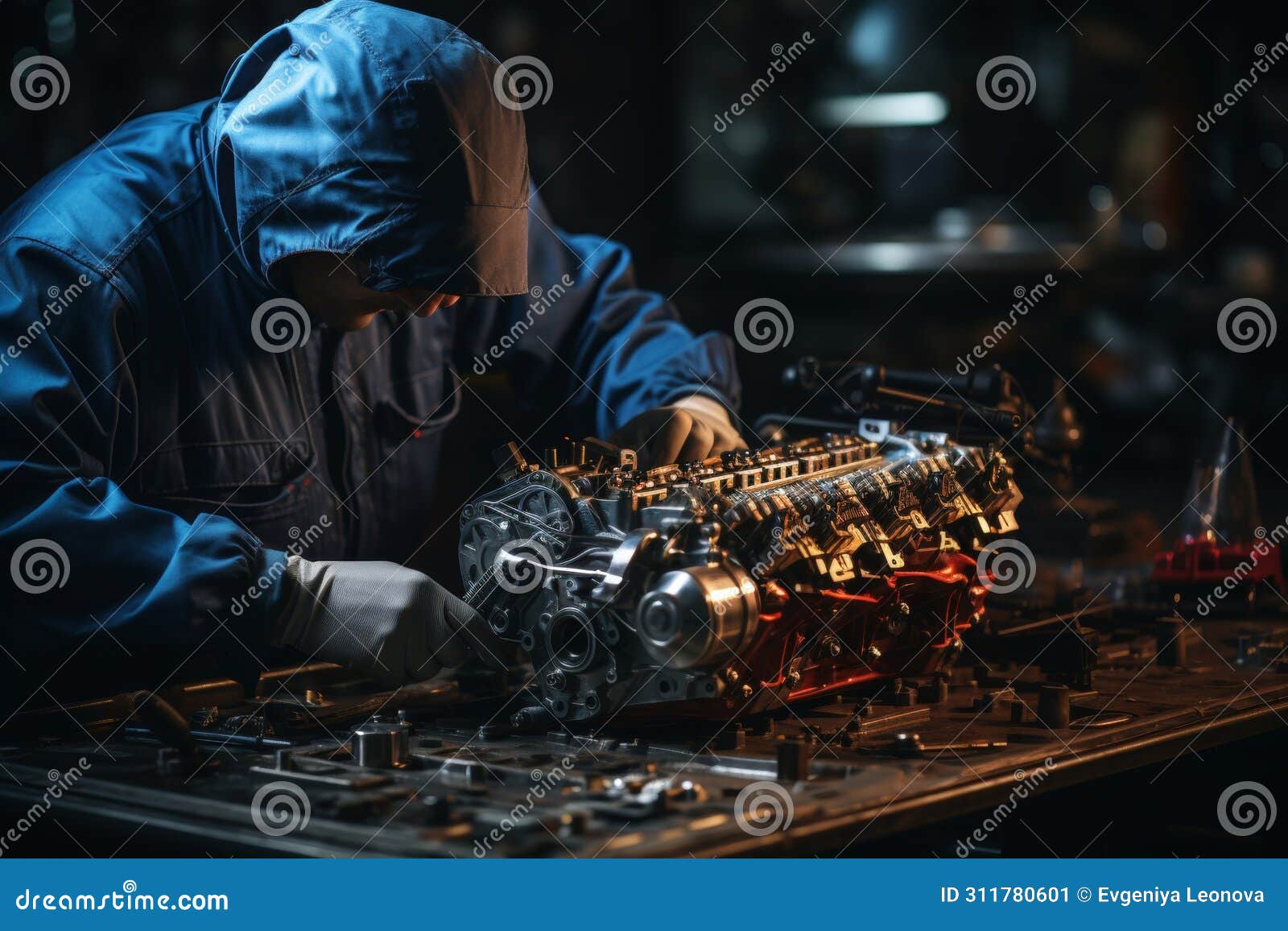
Diagnostic Tips and Tools
Diagnosing the Problem
When the check engine light comes on, it’s essential to act quickly to avoid potential damage to your engine or emissions system. In this section, we’ll provide you with diagnostic tips and tools to help you identify the issue and potentially save yourself a costly repair bill.
- Check the Gas Cap: Ensure the gas cap is tightened securely, as a loose or damaged cap can trigger the check engine light.
- Use a Code Reader: Invest in a code reader or take your car to a mechanic to retrieve the trouble code, which will provide insight into the issue.
- Monitor the Light: Keep an eye on the check engine light to see if it stays illuminated or flashes, indicating the severity of the problem.
Using a Code Reader: A Quick Guide
A code reader is an essential tool for diagnosing problems with your vehicle. When using a code reader, you’ll be able to retrieve the trouble code, which will provide valuable information about the issue. Here’s a step-by-step guide to using a code reader:
- Connect the code reader to your car’s OBD-II port.
- Turn the ignition on, but do not start the engine.
- Retrieve the trouble code and write it down.
- Consult a repair manual or online resources to identify the problem.
Comparison of Diagnostic Tools
| Tool | Description | Price Range |
|---|---|---|
| Code Reader | Retrieves trouble codes and stores them for easy reference | $20-$100 |
| OBD-II Scanner | More advanced scanner that provides detailed diagnostic information | $100-$300 |
| Multi-Tool | Combines code reader and OBD-II scanner into one device | $200-$500 |
Why Choose a Code Reader?
A code reader is an excellent tool for diagnosing problems with your vehicle, offering a cost-effective solution for identifying issues. With a code reader, you can retrieve trouble codes, which will help you narrow down the problem and potentially save yourself a costly repair bill.
Expert Tips and Pro Tips
Expert Advice for Diagnosing the Check Engine Light
In this section, we’ll provide you with expert tips and pro tips to help you tackle the check engine light near you. Whether you’re a seasoned mechanic or a newcomer to the world of car maintenance, these tips will help you navigate the diagnostic process with confidence.
- Take Your Time: Don’t rush the diagnostic process. Take your time to gather information and identify the problem.
- Consult a Repair Manual: A repair manual will provide you with detailed information about your vehicle’s specific systems and components.
- Use Online Resources: Websites like Autozone or O’Reilly Auto Parts offer a wealth of information and diagnostic tools to help you identify the problem.
Common Mistakes to Avoid
When diagnosing the check engine light near you, it’s essential to avoid common mistakes that can lead to costly repairs or further damage to your engine or emissions system. Here are some common mistakes to watch out for:
- Ignoring the Problem: Ignoring the check engine light can lead to further damage and costly repairs.
- Using the Wrong Tools: Using the wrong diagnostic tools can lead to incorrect diagnoses and unnecessary repairs.
- Not Consulting a Professional: If you’re unsure about the problem or feel uncomfortable with the diagnostic process, consult a professional mechanic.
Frequently Asked Questions about Check Engine Light Near Me
Frequently Asked Questions
Here are some frequently asked questions about the check engine light near you:
-
What causes the check engine light to come on?
The check engine light can come on due to a wide range of problems, from loose gas caps to faulty oxygen sensors or catalytic converter failure.
-
How do I diagnose the problem?
Use a code reader or take your car to a mechanic to retrieve the trouble code, which will provide insight into the issue.
-
Can I fix the problem myself?
If you’re experienced and confident in your abilities, you can attempt to fix the problem yourself. However, if you’re unsure, it’s always best to consult a professional mechanic.
-
Will the check engine light always indicate a serious problem?
No, the check engine light can indicate a range of problems, from minor issues to more serious concerns.
Conclusion
The check engine light near you is a warning sign that something is amiss with your vehicle’s engine or emissions system. By understanding the possible causes, diagnostic tips, and tools, you can identify and fix the problem, saving yourself time, money, and potential damage to your engine or emissions system. Whether you’re a seasoned mechanic or a newcomer to the world of car maintenance, this guide has provided you with actionable insights, examples, and data points to help you navigate the diagnostic process with confidence.

