Dental Anesthesia Near Me: Finding Relief from Painful Procedures
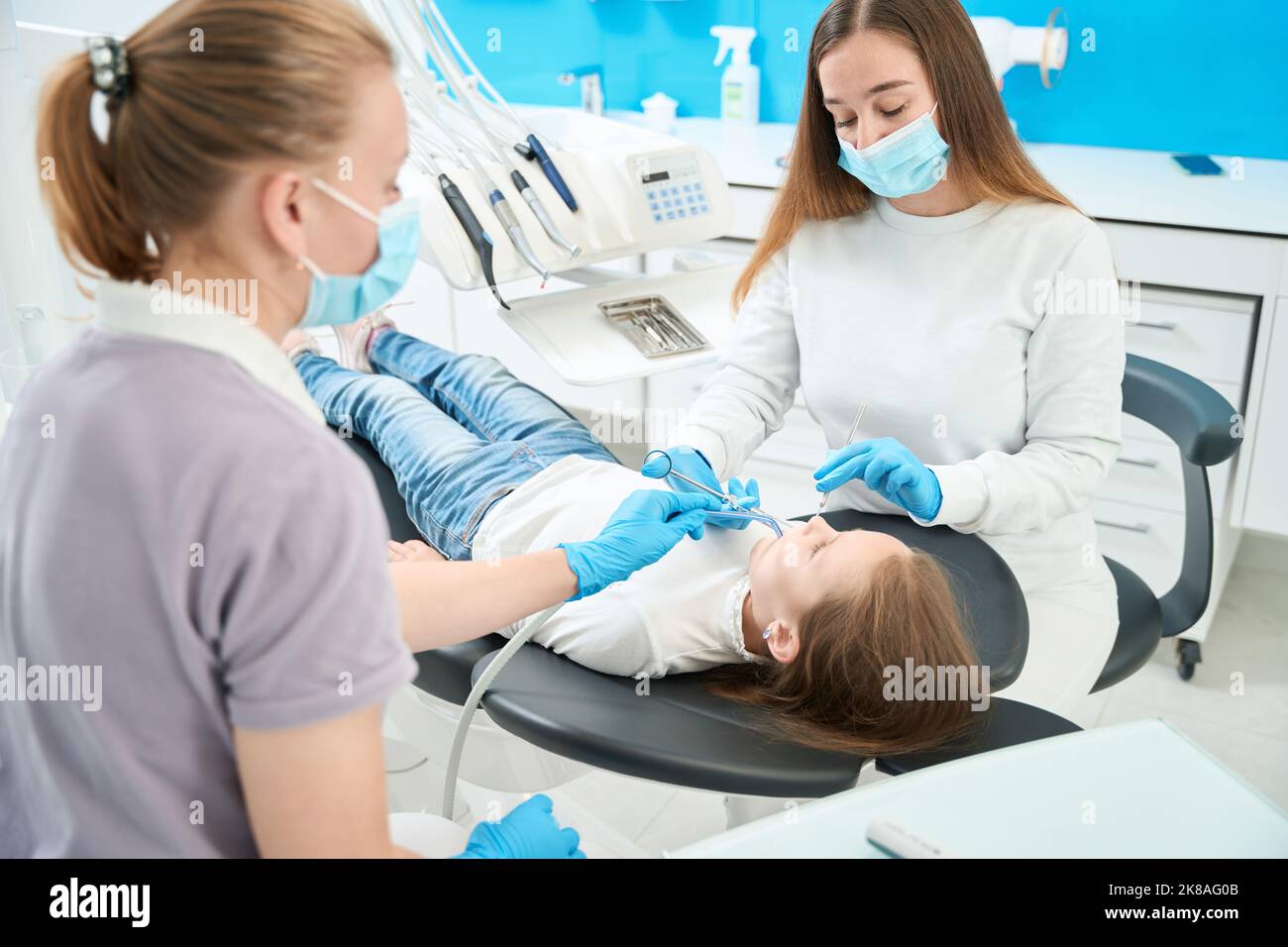
If you’re like many people, the thought of undergoing a dental procedure can be daunting, especially if it involves pain. Dental anxiety is a common phobia that can cause people to avoid necessary treatments, leading to more severe problems down the line. However, with advancements in dental anesthesia, you can now find relief from painful procedures. In this article, we’ll explore the world of dental anesthesia near you, including its benefits, types, and how to find a qualified professional to administer it.
Understanding Dental Anesthesia
Dental anesthesia is a type of medication that numbs the mouth and surrounding areas, making it possible to perform dental procedures without pain. It’s often used for routine treatments like fillings, crowns, and root canals, as well as more complex procedures like extractions and oral surgery. With dental anesthesia, you can relax and trust that your dentist will take care of your needs.
Types of Dental Anesthesia
There are several types of dental anesthesia, each with its own benefits and uses. Some common types include:
- Local anesthesia: This type numbs a specific area of the mouth, usually the tooth or surrounding gum tissue.
- Sedation dentistry: This type uses medication to help you relax and feel calm during the procedure.
- Conscious sedation: This type combines local anesthesia with sedation medication to help you feel relaxed and comfortable.
Benefits of Dental Anesthesia
Dental anesthesia offers numerous benefits, including:
- Reduced pain: By numbing the area, you can avoid feeling pain during the procedure.
- Increased comfort: You can relax and trust that your dentist will take care of your needs.
- Improved outcomes: With a calm and relaxed patient, your dentist can perform the procedure more efficiently and effectively.
Finding Dental Anesthesia Near Me
If you’re looking for dental anesthesia near you, there are several ways to find a qualified professional:
- Ask your dentist: Your regular dentist may offer dental anesthesia services or know of a trusted colleague who does.
- Online search: Use search engines like Google to find dentists in your area who offer dental anesthesia services.
- Check with your insurance: Some insurance providers may have a list of in-network dentists who offer dental anesthesia services.
Expert Tips for Dental Anesthesia
Here are some expert tips to keep in mind when searching for dental anesthesia near you:
- Check credentials: Make sure the dentist or professional administering the anesthesia is qualified and licensed.
- Ask questions: Don’t hesitate to ask questions about the type of anesthesia, its benefits, and any potential risks.
- Choose a reputable provider: Research the provider’s reputation and read reviews from other patients.
Frequently Asked Questions about Dental Anesthesia Near Me
Here are some frequently asked questions about dental anesthesia near you:
Q: What is dental anesthesia?
A: Dental anesthesia is a type of medication that numbs the mouth and surrounding areas, making it possible to perform dental procedures without pain.
Q: Is dental anesthesia safe?
A: Yes, dental anesthesia is generally safe when administered by a qualified professional.
Q: How long does dental anesthesia last?
A: The duration of dental anesthesia varies depending on the type and amount administered.
Q: Can I drive after dental anesthesia?
A: It’s best to have someone drive you home after dental anesthesia, as it can impair your ability to drive safely.
Q: Can I eat after dental anesthesia?
A: Yes, you can eat after dental anesthesia, but it’s best to wait until the anesthesia has worn off.
Q: Is dental anesthesia covered by insurance?
A: Some insurance providers may cover dental anesthesia services, so it’s best to check with your provider.
Comparison of Dental Anesthesia Types
Here’s a comparison of different types of dental anesthesia:
| Type | Benefits | Risks |
|---|---|---|
| Local Anesthesia | Fast-acting, effective | May cause temporary numbness or tingling |
| Sedation Dentistry | Relaxes the patient, reduces anxiety | May cause drowsiness or impaired judgment |
| Conscious Sedation | Combines local anesthesia with sedation medication | May cause drowsiness or impaired judgment |
Conclusion
Dental anesthesia near you can provide relief from painful procedures and make your dental experience more comfortable. By understanding the benefits, types, and risks of dental anesthesia, you can make informed decisions about your care. Remember to choose a qualified professional and ask questions about the type of anesthesia and its benefits. With the right care, you can trust that your dentist will take care of your needs.
Meta Tags

