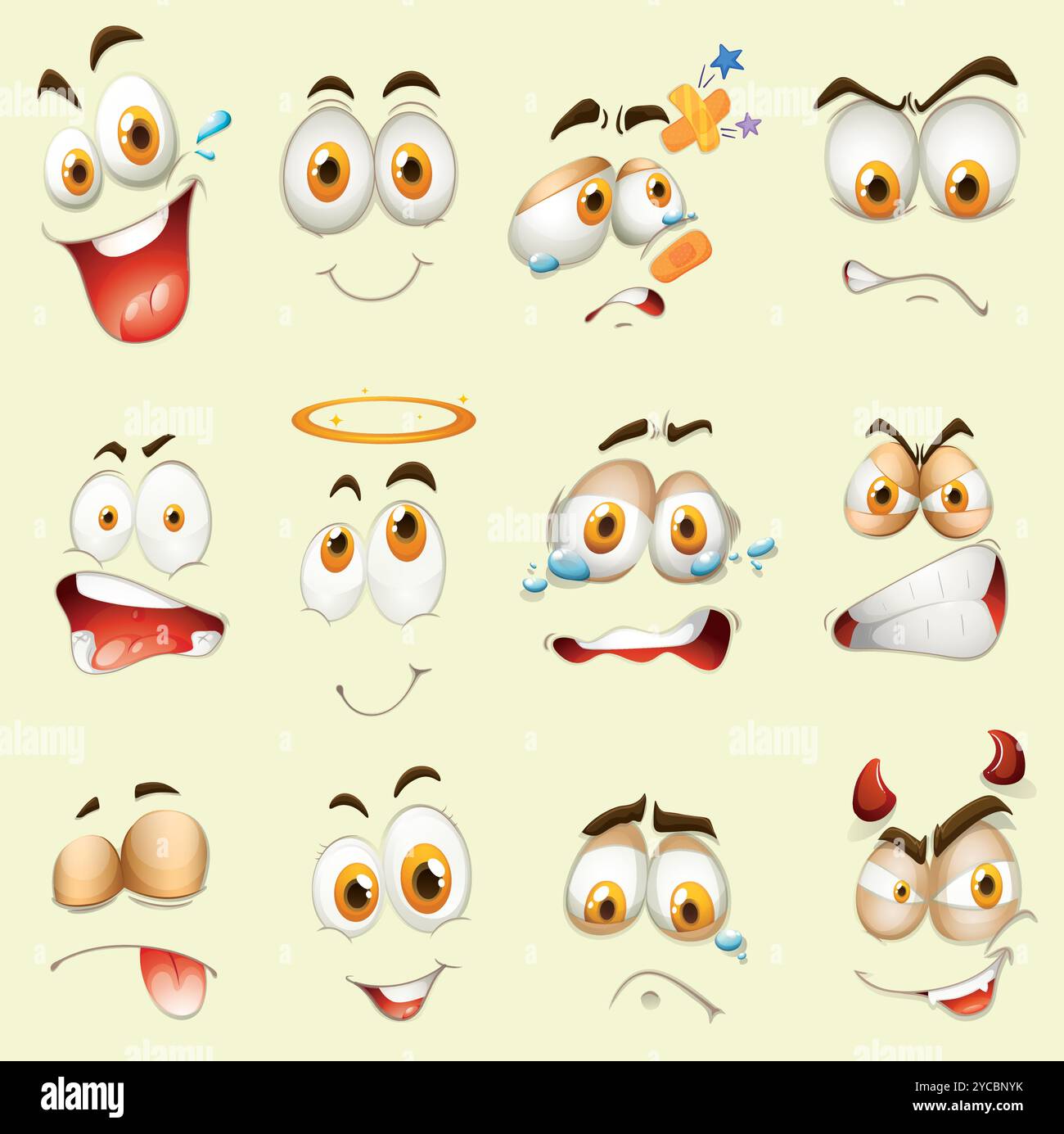
Emotions are a fundamental aspect of the human experience, and facial expressions are a crucial indicator of how we feel. Being aware of the different emotions and their corresponding facial expressions can help us navigate social situations, communicate more effectively, and even improve our mental well-being. If you’re wondering what your emotions are telling you, or if you’re interested in learning more about facial emotions near you, you’re in the right place.
In this article, we’ll delve into the world of facial emotions and explore the benefits of recognizing and understanding them in our daily lives. We’ll cover the importance of facial expressions, how to identify and decode them, and provide expert tips on how to use this knowledge to improve your relationships and overall well-being.
Understanding Facial Emotions: Benefits and Importance
Facial expressions are a universal language that transcends cultural and linguistic barriers. They convey emotions, intentions, and attitudes, making them a vital aspect of nonverbal communication. Recognizing and understanding facial emotions can help you:
- Improve relationships by being more empathetic and understanding
- Enhance your communication skills by being more aware of nonverbal cues
- Develop self-awareness by understanding your own emotional state and triggers
- Make informed decisions by being more attuned to your emotional state and the emotions of others
The Science of Facial Emotions: Unlocking the Secrets of Facial Expressions
Facial expressions are a complex phenomenon that involves the coordination of multiple facial muscles. Research has shown that facial expressions can convey emotions even when we’re not aware of it. In fact, studies have found that facial expressions can influence our mood, with smiling, for example, releasing endorphins and improving our mood.
Identifying and Decoding Facial Emotions: A Guide
So, how do you identify and decode facial emotions? Here are some common facial expressions and their corresponding emotions:
- Smiling: Happiness, friendliness, approachability
- Frowning: Sadness, frustration, disapproval
- Raised eyebrows: Surprise, curiosity, interest
- Lowered eyebrows: Anger, concern, skepticism
- Widened eyes: Excitement, interest, attention

Facial Emotions Near Me: How to Use This Knowledge in Your Daily Life
Now that we’ve covered the basics of facial emotions, let’s explore how you can apply this knowledge in your daily life:
- Practice recognizing and decoding facial expressions in yourself and others
- Use this knowledge to improve your communication skills and relationships
- Be more aware of your own emotional state and triggers
- Develop a growth mindset by acknowledging and managing your emotions
Expert Tips: Using Facial Emotions to Enhance Your Relationships
Here are some expert tips on how to use facial emotions to enhance your relationships:
- Practice active listening by paying attention to nonverbal cues
- Use positive facial expressions to show empathy and understanding
- Be aware of your own emotional state and triggers
- Use facial expressions to diffuse tense situations
Comparison Data Table: Facial Emotions vs. Verbal Cues
| Facial Expression | Emotion | Verbal Cue |
|---|---|---|
| Smiling | Happiness | "I’m so happy to see you!" |
| Frowning | Sadness | "I’m feeling really down today." |
| Raised Eyebrows | Surprise | "Wow, that’s amazing!" |
| Lowered Eyebrows | Anger | "I’m really upset with you." |
| Widened Eyes | Excitement | "I’m so excited for you!" |
Frequently Asked Questions about Em Face Near Me
Q: What are the benefits of recognizing facial emotions?
A: Recognizing facial emotions can improve relationships, enhance communication skills, and develop self-awareness.
Q: How can I identify and decode facial expressions?
A: You can identify and decode facial expressions by paying attention to the coordination of facial muscles and the corresponding emotions.
Q: Can facial expressions influence my mood?
A: Yes, facial expressions can influence our mood, with smiling, for example, releasing endorphins and improving our mood.
Q: How can I use facial emotions to enhance my relationships?
A: You can use facial emotions to enhance your relationships by practicing active listening, using positive facial expressions, and being aware of your own emotional state and triggers.
Conclusion
In conclusion, facial emotions are a vital aspect of the human experience, and recognizing and understanding them can have a significant impact on our relationships and overall well-being. By being more aware of facial expressions and emotions, we can improve our communication skills, develop self-awareness, and make informed decisions. Remember, facial emotions are a universal language that transcends cultural and linguistic barriers, so take the time to learn and apply this knowledge in your daily life.

