
As the world shifts towards sustainable energy, electric vehicles (EVs) have become an increasingly popular choice for environmentally conscious drivers. However, one of the main concerns for EV owners is finding reliable and convenient charging points. This is where "EV charger near me" searches come in – a crucial step in ensuring a seamless and enjoyable driving experience. In this article, we’ll delve into the world of electric vehicle charging, exploring the different types of chargers, how to find them near your location, and provide expert tips for making the most of your charging experience.
Understanding EV Charging Basics
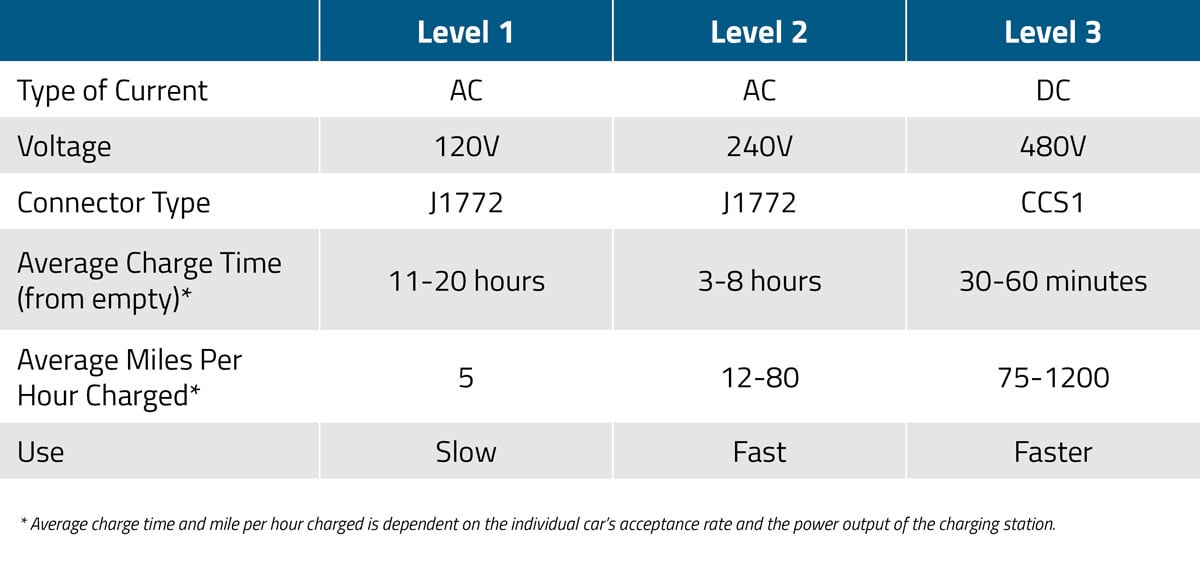
Before we dive into the world of finding EV chargers, it’s essential to understand the basics of electric vehicle charging. EVs use electrical energy to power their batteries, which can be charged using various types of chargers. The most common types of EV chargers include:
- Level 1: Uses a standard household outlet to charge the vehicle at a rate of 2-5 miles per hour
- Level 2: Uses a 240-volt charging station to charge the vehicle at a rate of 10-25 miles per hour
- DC Fast Charging: Uses high-power charging stations to charge the vehicle at a rate of 60-100 miles in just 30 minutes
- Wireless Charging: Uses electromagnetic fields to charge the vehicle wirelessly
Where to Find EV Chargers Near Me
Now that we’ve covered the basics of EV charging, it’s time to explore how to find reliable and convenient charging points near your location. Here are some top tips:
- Use online directories: Websites like PlugShare, ChargeHub, and the US Department of Energy’s Alternative Fuel Data Center provide extensive lists of EV charging stations across the country.
- Download mobile apps: Apps like PlugShare, ChargePoint, and EVgo allow you to search for charging stations, view their status, and even reserve a charging spot.
- Check with local authorities: Many cities and states offer online maps or directories of EV charging stations. You can also contact your local government to inquire about available charging options.
Comparison of Popular EV Charging Networks
When searching for EV chargers near me, it’s essential to compare the features and benefits of different charging networks. Here’s a comprehensive comparison of some of the most popular charging networks:
| Network | Charging Speed | Network Fee | Access Fee |
|---|---|---|---|
| ChargePoint | DC Fast Charging (up to 80 kW) | $0.30 – $0.40 per kWh | $2.50 per session |
| EVgo | DC Fast Charging (up to 100 kW) | $0.25 – $0.35 per kWh | $1.50 per session |
| Tesla Supercharger | Supercharger (up to 120 kW) | Free (for Tesla owners) | Free |
| Electrify America | DC Fast Charging (up to 150 kW) | $0.25 – $0.35 per kWh | $1.50 per session |
Expert Tips for EV Charging
Here are some expert tips to help you make the most of your EV charging experience:
- Plan your route ahead: Use online maps to search for charging stations along your route and plan your stops accordingly.
- Keep your vehicle charged: Regularly check your vehicle’s battery level and charge it when convenient to avoid running low on charge.
- Take advantage of incentives: Many governments and companies offer incentives for EV owners, such as rebates, tax credits, and free charging.
Frequently Asked Questions about EV Charger Near Me
Q: What is the most convenient way to find EV chargers near me?
A: Using online directories and mobile apps is the most convenient way to find EV chargers near you.
Q: Can I use my credit card to pay for EV charging?
A: Yes, many EV charging networks accept credit card payments.
Q: Do I need to make an account to use EV chargers?
A: Yes, most EV charging networks require you to create an account to use their services.
Conclusion
Finding EV chargers near you is a crucial step in ensuring a seamless and enjoyable driving experience. By understanding the basics of EV charging, using online directories and mobile apps, and comparing popular charging networks, you can make informed decisions about your charging needs. Remember to plan your route ahead, keep your vehicle charged, and take advantage of incentives to make the most of your EV charging experience.

