Pond Cleaning Near Me: Expert Tips for a Sparkling Water Feature
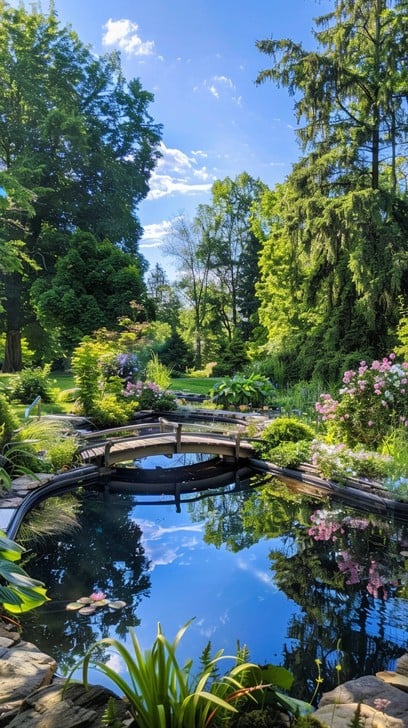
Are you tired of looking at a murky pond that’s more like a mosquito breeding ground than a peaceful oasis? Do you want to enjoy your outdoor space without the hassle of cleaning up after your water feature? If so, you’re not alone. Many homeowners struggle with pond maintenance, but with the right knowledge and tools, you can have a sparkling clean pond that’s the envy of your neighbors.
In this comprehensive guide, we’ll cover everything you need to know about pond cleaning, from the basics of water quality to expert tips for keeping your pond looking its best. We’ll also explore the importance of regular maintenance, the benefits of using a professional pond cleaning service, and provide a step-by-step guide on how to clean your pond like a pro. By the end of this article, you’ll be well on your way to creating a beautiful and healthy pond that will enhance your outdoor living space.
Understanding Pond Water Quality
Before we dive into the nitty-gritty of pond cleaning, it’s essential to understand the basics of water quality. Pond water quality is affected by a variety of factors, including pH levels, water temperature, and the presence of algae and other microorganisms. A well-maintained pond requires a balance of these factors to ensure a healthy and thriving ecosystem.
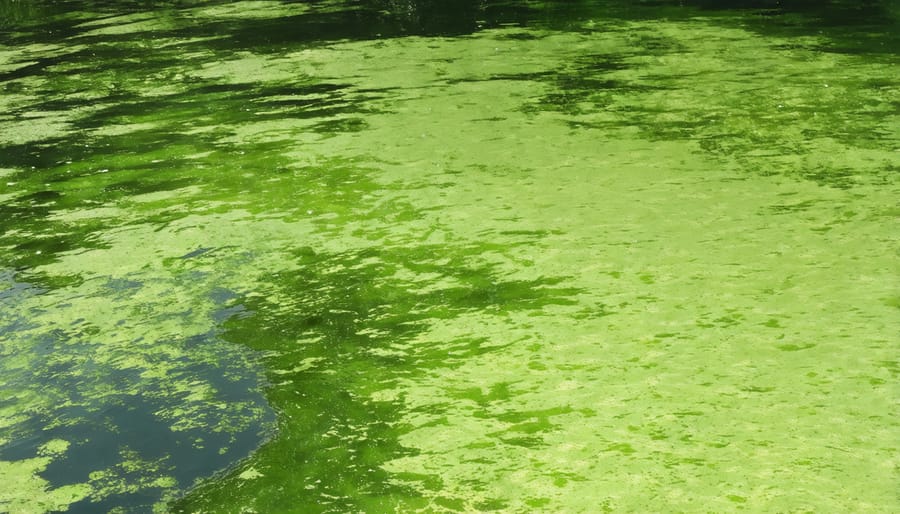
One of the most common issues affecting pond water quality is algae growth. Algae can quickly multiply and cause the water to become cloudy and green. To prevent algae growth, it’s essential to maintain a balanced pH level, monitor water temperature, and use a pond skimmer or net to remove debris and excess nutrients.
Pond Cleaning Services: When to Hire a Professional
While regular maintenance is essential for a healthy pond, there are times when it’s better to hire a professional pond cleaning service. If you’re not comfortable with the process or don’t have the time to maintain your pond, a professional service can provide the expertise and equipment needed to keep your pond looking its best.
Some signs that it’s time to hire a professional pond cleaning service include:
- Excessive algae growth
- Visible debris or sediment in the pond
- Unpleasant odors or water discoloration
- Difficulty maintaining water quality
Step-by-Step Guide to Pond Cleaning
Cleaning your pond can be a daunting task, but with the right tools and knowledge, it can be done efficiently and effectively. Here’s a step-by-step guide to help you get started:
- Remove debris and excess nutrients: Use a pond skimmer or net to remove any debris or excess nutrients from the pond.
- Check and maintain water quality: Test the water for pH levels, ammonia, and nitrite levels. Adjust the pH level as needed and add beneficial bacteria to maintain a healthy balance.
- Clean the pond liner: Remove any debris or algae from the pond liner and inspect for any tears or damage.
- Replace old or damaged equipment: Consider replacing old or damaged equipment, such as pumps or filters, to ensure optimal performance.
- Perform a partial water change: Remove 10-20% of the pond water and replace it with fresh, dechlorinated water.
Comparison of Pond Cleaning Methods
When it comes to pond cleaning, there are several methods to choose from. Here’s a comparison of the most popular methods:
| Method | Description | Benefits | Drawbacks |
|---|---|---|---|
| Chemical cleaning | Uses chemicals to kill algae and bacteria | Quick results, easy to use | Can harm beneficial bacteria, damage pond ecosystem |
| Physical cleaning | Uses physical methods, such as netting or skimming, to remove debris | Gentle on pond ecosystem, effective for small ponds | Time-consuming, may require frequent maintenance |
| Biological cleaning | Uses beneficial bacteria to break down waste and excess nutrients | Sustainable, promotes healthy pond ecosystem | May take longer to produce results, requires regular maintenance |
Expert Tips for Pond Cleaning
Here are some expert tips to keep in mind when cleaning your pond:
- Regular maintenance is key: Regular maintenance is essential for a healthy pond. Set aside time each week to inspect the pond and perform any necessary tasks.
- Use the right equipment: Invest in the right equipment, such as a pond skimmer or net, to make cleaning easier and more effective.
- Monitor water quality: Regularly test the water for pH levels, ammonia, and nitrite levels to ensure a healthy balance.
- Add beneficial bacteria: Beneficial bacteria can help break down waste and excess nutrients, promoting a healthy pond ecosystem.
Frequently Asked Questions about Pond Cleaning Near Me
Here are some frequently asked questions about pond cleaning near me:
Q: What is the best way to clean my pond?
A: The best way to clean your pond is to use a combination of physical and biological methods. Regularly inspect the pond, remove debris and excess nutrients, and add beneficial bacteria to promote a healthy balance.
Q: How often should I clean my pond?
A: Regular maintenance is essential for a healthy pond. Set aside time each week to inspect the pond and perform any necessary tasks.
Q: Can I use chemicals to clean my pond?
A: While chemicals can be effective in killing algae and bacteria, they can also harm beneficial bacteria and damage the pond ecosystem. Consider using physical or biological methods instead.
Q: How do I prevent algae growth in my pond?
A: To prevent algae growth, maintain a balanced pH level, monitor water temperature, and use a pond skimmer or net to remove debris and excess nutrients.
Conclusion
Pond cleaning near me requires regular maintenance, the right equipment, and a willingness to learn. By following the tips and advice outlined in this article, you can have a sparkling clean pond that’s the envy of your neighbors. Remember to regularly inspect the pond, remove debris and excess nutrients, and add beneficial bacteria to promote a healthy balance. With the right knowledge and tools, you can create a beautiful and healthy pond that will enhance your outdoor living space.
Meta Tags:

