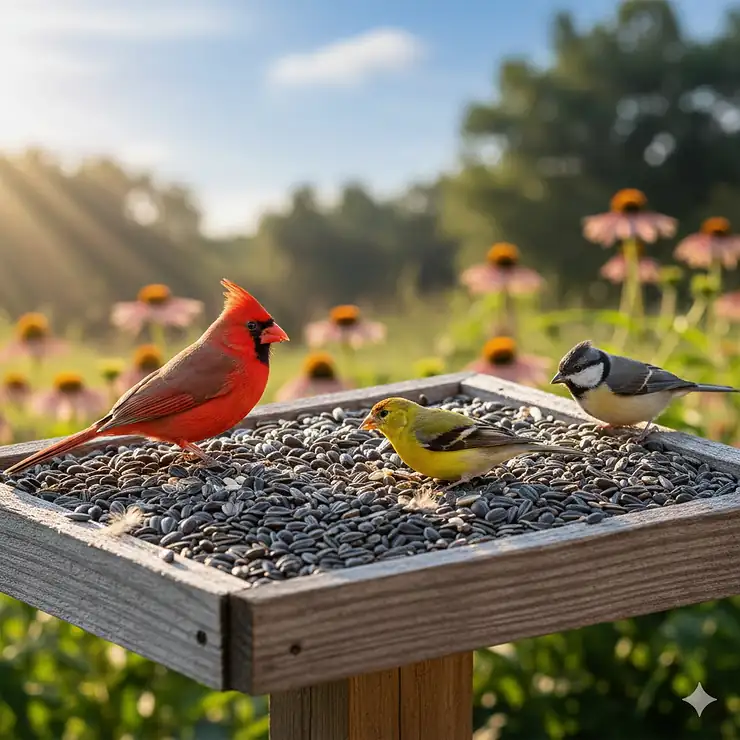
Are you tired of scattering bird seed on the ground, only to have it get eaten by squirrels and other unwanted critters? Or perhaps you’re looking for a more convenient and environmentally friendly way to feed your feathered friends. Whatever your reason, finding the right bird food near you can be a daunting task. With the rise of online shopping and home delivery services, it’s never been easier to find and purchase bird food from the comfort of your own home.
In this comprehensive guide, we’ll explore the world of bird food, covering everything from the different types of bird seed to the best places to buy them near you. We’ll also provide expert tips and advice on how to choose the right bird food for your backyard visitors, as well as answer some frequently asked questions about bird food and bird feeding.
Understanding Buyer Intent
When it comes to buying bird food, most people have a clear idea of what they’re looking for. They want to attract a variety of bird species to their backyard, and they’re willing to put in the effort to create a welcoming environment for them. However, with so many different types of bird seed and feeders on the market, it can be difficult to know where to start.
Choosing the Right Bird Food
With so many different types of bird seed available, it can be overwhelming to choose the right one for your backyard visitors. Here are a few things to consider when selecting a bird seed:
- Type of bird: Different bird species have different dietary needs. For example, finches and sparrows prefer smaller seeds, while cardinals and blue jays prefer larger seeds.
- Seed size: Larger seeds are easier to crack open, while smaller seeds are more suitable for birds with smaller beaks.
- Seed mix: A mix of different seed types can attract a wider variety of bird species to your backyard.
Some popular types of bird seed include:
- Sunflower seed: A favorite among cardinals, blue jays, and other large birds, sunflower seed is high in fat and easy to crack open.
- Safflower seed: Safflower seed is a good alternative to sunflower seed, as it’s less likely to attract squirrels and other unwanted critters.
- Nyjer seed: Nyjer seed is a small, black seed that’s high in oil and a favorite among finches and other small birds.
Where to Buy Bird Food Near Me
With the rise of online shopping and home delivery services, it’s never been easier to buy bird food from the comfort of your own home. Here are a few places to consider:
- Pet stores: Pet stores like Petco and PetSmart typically carry a wide selection of bird seed and feeders.
- Online retailers: Online retailers like Amazon and Walmart offer a wide selection of bird seed and feeders, often with free shipping and competitive pricing.
- Home delivery services: Services like Chewy and PetMed Express offer home delivery of bird seed and other pet supplies.
Comparison of Bird Seed Types
| Seed Type | Size | Fat Content | Price |
|---|---|---|---|
| Sunflower | Large | High | $5-$10 per pound |
| Safflower | Medium | Medium | $4-$8 per pound |
| Nyjer | Small | High | $6-$12 per pound |
Expert Tips for Bird Feeders and Feeders
Here are a few expert tips for choosing the right bird feeder and feeder:
- Choose a feeder that’s easy to clean: A feeder that’s easy to clean will reduce the risk of disease and illness in your backyard visitors.
- Use a feeder with a weight-activated perch: A weight-activated perch will prevent squirrels and other unwanted critters from accessing the feeder.
- Place the feeder in a safe location: A feeder that’s placed in a safe location will reduce the risk of damage from weather and other environmental factors.
Frequently Asked Questions about Bird Food and Bird Feeding
- Q: What type of bird seed is best for attracting birds to my backyard?
A: The best type of bird seed for attracting birds to your backyard will depend on the types of birds you’re trying to attract. For example, finches and sparrows prefer smaller seeds, while cardinals and blue jays prefer larger seeds. - Q: How often should I clean my bird feeder?
A: You should clean your bird feeder at least once a week to reduce the risk of disease and illness in your backyard visitors. - Q: What are some tips for choosing the right bird feeder?
A: Some tips for choosing the right bird feeder include choosing a feeder that’s easy to clean, using a feeder with a weight-activated perch, and placing the feeder in a safe location.
Conclusion
In conclusion, finding the right bird food near you can be a daunting task, but with the right information and resources, you can attract a variety of bird species to your backyard. By considering the different types of bird seed and feeders available, choosing the right feeder for your backyard, and following expert tips and advice, you can create a welcoming environment for your feathered friends. Remember to clean your bird feeder regularly and place it in a safe location to reduce the risk of damage and disease. Happy birding!

