Hay Near Me: Your Ultimate Guide to Finding High-Quality Hay
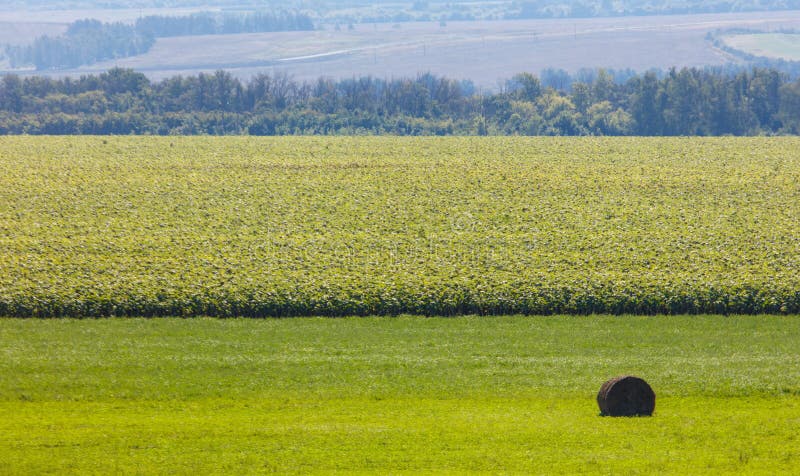
Are you a horse owner, farmer, or livestock enthusiast searching for the best hay near your location? Look no further! In this comprehensive guide, we’ll walk you through the process of finding high-quality hay that meets your needs and budget. With the rise of online marketplaces and local listings, it’s easier than ever to find hay near you. But with so many options available, how do you know which one to choose?
In this article, we’ll cover the ins and outs of hay production, types of hay, and how to evaluate its quality. We’ll also provide expert tips on how to store and handle hay to ensure its freshness and nutritional value. Whether you’re a seasoned farmer or a newcomer to the world of horse ownership, this guide will give you the knowledge and confidence to make informed decisions about your hay needs.
Understanding Hay Production
Hay is a crucial component of many animal diets, providing essential fiber, nutrients, and energy. But have you ever wondered how hay is produced? The process involves cutting, drying, and processing grasses and legumes into a palatable and nutritious feed.
Hay production varies depending on the region, climate, and soil type. For example, the Pacific Northwest is known for its lush grasses and mild winters, making it an ideal region for producing high-quality hay. In contrast, the Midwest is famous for its corn and soybean production, which can also be used to make hay.
When searching for hay near you, consider the local climate and soil conditions that may affect the quality and availability of hay.
Types of Hay: Which One is Right for You?
With so many types of hay available, it can be overwhelming to choose the right one for your needs. Here are some of the most common types of hay:
- Timothy Hay: A popular choice for horses, timothy hay is known for its sweet flavor and high nutritional value.
- Alfalfa Hay: High in protein and calcium, alfalfa hay is often used for horses, cattle, and other livestock.
- Oat Hay: A cool-season grass, oat hay is a good choice for horses and other animals that require a lower protein diet.
- Grass Hay: A mix of various grasses, grass hay is a cost-effective option for horses and other livestock.
When selecting hay, consider the nutritional needs of your animals and the climate in your area.
Evaluating Hay Quality: What to Look For
When evaluating hay quality, look for the following characteristics:
- Moisture Content: Hay should be dry and free of moisture to prevent mold and spoilage.
- Color and Texture: High-quality hay should have a rich, vibrant color and a soft, fluffy texture.
- Aroma: Fresh hay should have a pleasant, earthy aroma.
- Nutritional Content: Look for hay that is high in fiber, protein, and energy.
When searching for hay near you, consider working with a reputable supplier who can provide high-quality hay that meets your needs.
Hay Near Me: Finding Local Suppliers
With the rise of online marketplaces and local listings, it’s easier than ever to find hay near your location. Here are some ways to find local suppliers:
- Online Directories: Websites like Hay Directory and Hay Listings allow you to search for hay suppliers in your area.
- Social Media: Join local farming and animal enthusiast groups on social media to connect with suppliers and other farmers.
- Local Farm Supply Stores: Visit local farm supply stores to inquire about hay suppliers in your area.
When working with a local supplier, be sure to ask about their hay production methods, quality control measures, and storage procedures.
Storing and Handling Hay: Tips for Optimal Freshness
Proper storage and handling are crucial for maintaining the freshness and nutritional value of hay. Here are some expert tips:
- Store Hay in a Dry, Well-Ventilated Area: Avoid storing hay in damp or humid areas to prevent mold and spoilage.
- Keep Hay Off the Ground: Use pallets or shelves to keep hay off the ground and prevent moisture from seeping in.
- Use Hay Tarp or Cover: Cover hay with a breathable tarp or cover to protect it from the elements.
- Turn Hay Regularly: Regularly turn hay to ensure even drying and prevent mold growth.
By following these tips, you can ensure the freshness and quality of your hay and provide optimal nutrition for your animals.
Comparison of Hay Types: A Data-Driven Approach
| Hay Type | Moisture Content | Nutritional Content |
|---|---|---|
| Timothy Hay | 15-20% | High in fiber, moderate in protein |
| Alfalfa Hay | 10-15% | High in protein, moderate in fiber |
| Oat Hay | 20-25% | Moderate in protein, high in fiber |
| Grass Hay | 15-20% | Moderate in protein, high in fiber |
This data-driven approach allows you to compare the key characteristics of different hay types and make informed decisions about your hay needs.
Expert Tips for Finding the Best Hay Near You
Here are some expert tips for finding the best hay near you:
- Research Local Hay Producers: Research local hay producers to learn about their production methods, quality control measures, and storage procedures.
- Ask About Hay Quality: Ask about hay quality, nutritional content, and moisture levels to ensure you’re getting the best hay for your needs.
- Consider Organic or Non-GMO Options: Consider organic or non-GMO hay options for improved nutritional value and reduced environmental impact.
- Store Hay Properly: Store hay properly to maintain its freshness and nutritional value.
By following these expert tips, you can find high-quality hay near you that meets your needs and budget.
Frequently Asked Questions about Hay Near Me
Q: What is the best type of hay for horses?
A: Timothy hay is a popular choice for horses due to its sweet flavor and high nutritional value.
Q: How do I store hay to maintain its freshness?
A: Store hay in a dry, well-ventilated area, keep it off the ground, and use a breathable tarp or cover to protect it from the elements.
Q: Can I grow my own hay?
A: Yes, you can grow your own hay, but consider factors like climate, soil type, and local regulations before starting a hay production operation.
Q: What is the difference between grass hay and alfalfa hay?
A: Grass hay is a mix of various grasses, while alfalfa hay is high in protein and calcium.
Q: Can I use hay as a bedding material for my animals?
A: Yes, hay can be used as a bedding material, but consider factors like moisture content, aroma, and nutritional value before using it as a bedding material.
Conclusion
Finding the best hay near you requires research, planning, and attention to detail. By understanding hay production, types of hay, and how to evaluate its quality, you can make informed decisions about your hay needs. Whether you’re a seasoned farmer or a newcomer to the world of horse ownership, this guide has provided you with the knowledge and confidence to find high-quality hay that meets your needs and budget.
So why wait? Start searching for hay near you today and provide optimal nutrition for your animals!
Meta Tags

