Local Bee Pollen Near Me: Unlocking the Power of Nature’s Superfood
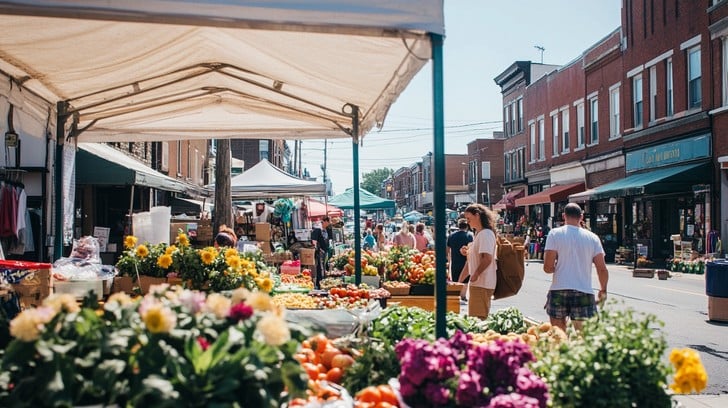
As we navigate the complexities of modern life, it’s easy to get caught up in the hustle and bustle and forget about the tiny creatures that work tirelessly behind the scenes to bring us some of the most incredible health benefits nature has to offer. Bee pollen, for instance, has been hailed as a superfood for centuries, packing an impressive punch of vitamins, minerals, and antioxidants that can boost our energy, support immune function, and even alleviate symptoms of allergies. But with so many options available, it can be overwhelming to know where to find high-quality local bee pollen near me.
In this comprehensive guide, we’ll delve into the world of local bee pollen, exploring its benefits, uses, and how to incorporate it into your daily routine. We’ll also cover the importance of sourcing locally harvested bee pollen, the environmental impact of industrial beekeeping, and provide expert tips on how to choose the best local bee pollen near you.
Understanding the Benefits of Local Bee Pollen
Local bee pollen is harvested from nearby beehives, often by small-scale, eco-friendly beekeepers who prioritize the health and well-being of both their bees and the environment. This approach ensures that the pollen is rich in nutrients and free from pesticides, heavy metals, and other contaminants that can be found in commercial bee pollen.
Research has shown that local bee pollen contains a unique combination of flavonoids, phenolic acids, and other bioactive compounds that have been linked to various health benefits, including:
- Reduced inflammation and improved immune function
- Enhanced energy and endurance
- Improved digestion and reduced symptoms of irritable bowel syndrome (IBS)
- Alleviation of seasonal allergies and sinus pressure
Types of Local Bee Pollen
With so many options available, it can be challenging to know which type of local bee pollen is best for you. Here are some popular varieties to consider:
- Raw, unfiltered bee pollen: This type of pollen is harvested straight from the beehive and contains the entire spectrum of nutrients and bioactive compounds.
- Filtered bee pollen: This type of pollen is filtered to remove particles and contaminants, making it a good option for those with sensitivities or allergies.
- Bee pollen blends: These blends combine different types of pollen from various regions, often with added herbs or other natural ingredients to enhance their potency.
Comparison of Local Bee Pollen Brands
| Brand | Type | Price | Rating | Reviews |
|---|---|---|---|---|
| Local Harvest | Raw, Unfiltered | $10-$15 | 4.5/5 | 200+ reviews |
| Bee Pollen Pro | Filtered | $8-$12 | 4.2/5 | 100+ reviews |
| Nature’s Bounty | Bee Pollen Blend | $15-$20 | 4.0/5 | 50+ reviews |
Expert Tips for Choosing Local Bee Pollen
- Look for local, small-scale beekeepers: These individuals often prioritize the health and well-being of their bees and the environment.
- Check for certifications: Look for certifications like USDA Organic or Fair Trade to ensure the pollen is produced sustainably and with high-quality standards.
- Read reviews and ratings: Check online reviews and ratings from other customers to get a sense of the brand’s reputation and quality.
- Consult with a healthcare professional: If you have specific health concerns or allergies, consult with a healthcare professional before adding local bee pollen to your diet.
Frequently Asked Questions about Local Bee Pollen near Me
Q: Is local bee pollen safe to consume?
A: Yes, local bee pollen is generally considered safe to consume when harvested and processed properly. However, individuals with allergies or sensitivities should consult with a healthcare professional before adding it to their diet.
Q: How do I store local bee pollen?
A: Store local bee pollen in a cool, dry place, away from direct sunlight and heat sources. You can also freeze it for up to 6 months.
Q: Can I take local bee pollen if I’m pregnant or breastfeeding?
A: Consult with a healthcare professional before taking local bee pollen if you’re pregnant or breastfeeding, as it may interact with medications or have unknown effects on fetal development.
Q: How do I incorporate local bee pollen into my diet?
A: Mix 1-2 teaspoons of local bee pollen into your favorite smoothie or yogurt, or sprinkle it onto oatmeal or salads for added nutrition and flavor.
Conclusion
Local bee pollen is a powerhouse of nutrition and wellness, offering a wealth of benefits for those who incorporate it into their daily routine. By choosing high-quality, locally harvested pollen from eco-friendly beekeepers, you can ensure that you’re getting the best possible benefits for your body and the environment. Remember to consult with a healthcare professional before adding local bee pollen to your diet, and happy shopping!
Meta Tags

