
Process Deer Meat Near Me: A Comprehensive Guide to Handling and Preparing Venison
When you bring down a deer, the real work begins. Processing deer meat near you requires the right knowledge, equipment, and techniques to ensure a safe and delicious end product. With the rise of hunting and wild game consumption, many outdoor enthusiasts and hunters are looking for reliable guidance on how to process and prepare their venison. In this article, we’ll cover everything you need to know about processing deer meat near you, from understanding buyer intent to expert tips and frequently asked questions.
Understanding Buyer Intent
Before we dive into the nitty-gritty of processing deer meat, it’s essential to understand why people are searching for this information. Whether you’re a seasoned hunter or a curious foodie, processing deer meat requires a certain level of expertise and equipment. By understanding buyer intent, we can provide more relevant and actionable advice. For many, the goal is to produce high-quality, safe meat that can be enjoyed by family and friends. Others may be looking to preserve meat for future consumption or explore new recipes. Whatever your reason, we’ll cover the basics and provide expert tips to help you achieve your goals.
Equipment and Safety Precautions
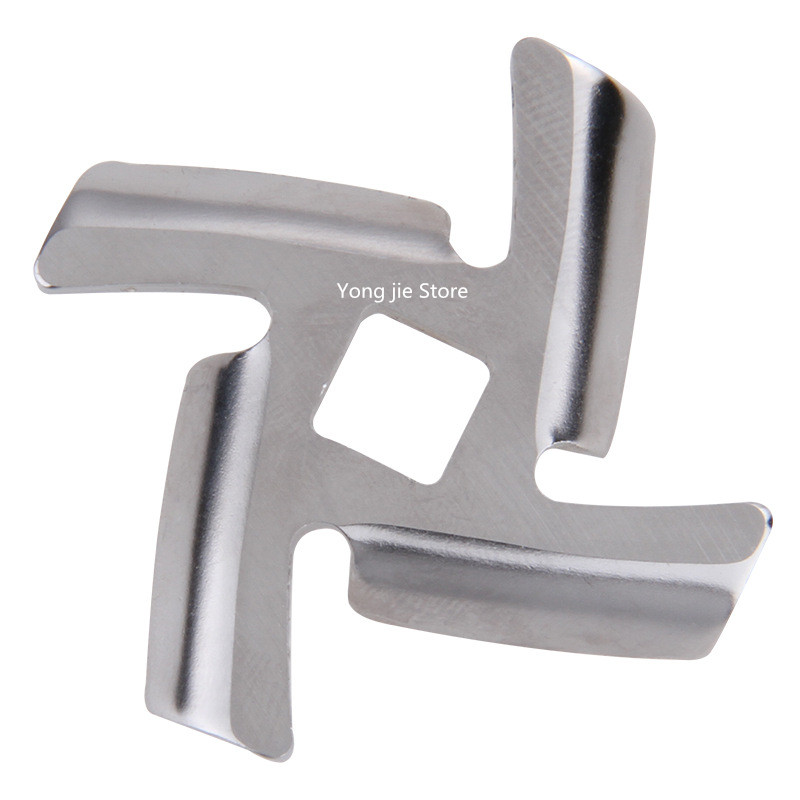
When processing deer meat, safety should be your top priority. This includes wearing proper protective gear, such as gloves and a face mask, to prevent exposure to bacteria and other contaminants. A clean and well-maintained workspace is also crucial to preventing cross-contamination and ensuring a safe environment for processing. Some essential equipment for processing deer meat includes a meat grinder, sharp knives, and a game meat saw. If you’re new to processing deer meat, it’s recommended to invest in a meat grinder, which can help to break down the meat into smaller, more manageable pieces.
Step-by-Step Guide to Processing Deer Meat
Processing deer meat involves several key steps, including skinning, quartering, and grinding. Skinning the deer requires a sharp knife and some patience, as you’ll need to carefully remove the hide from the carcass. Quartering the deer involves cutting the carcass into manageable pieces, typically four quarters. Grinding the meat requires a meat grinder and can be done at home or at a professional processing facility. When grinding the meat, it’s essential to use a coarse grind to ensure the meat is not over-processed.
Comparison of Processing Methods
When it comes to processing deer meat, there are several methods to choose from, each with its own advantages and disadvantages. Here’s a comparison of some popular methods:
| Method | Advantages | Disadvantages |
|---|---|---|
| Meat Grinder | Fast and efficient, produces high-quality meat | Can be expensive, requires maintenance |
| Hand-Grinding | Cost-effective, allows for more control over meat quality | Time-consuming, requires manual effort |
| Professional Processing | Convenient, ensures high-quality meat | May be more expensive, requires transportation |
Expert Tips for Processing Deer Meat
When processing deer meat, there are several expert tips to keep in mind:
- Always wear protective gear, including gloves and a face mask, to prevent exposure to bacteria and other contaminants.
- Use a clean and well-maintained workspace to prevent cross-contamination.
- Invest in a meat grinder, which can help to break down the meat into smaller, more manageable pieces.
- Use a coarse grind when grinding the meat to ensure it’s not over-processed.
- Consider using a game meat saw to make quartering the deer easier and more efficient.
Frequently Asked Questions about Process Deer Meat Near Me
Q: What equipment do I need to process deer meat?
A: You’ll need a meat grinder, sharp knives, and a game meat saw to process deer meat safely and efficiently.
Q: How do I skin a deer?
A: Skinning a deer requires a sharp knife and some patience. Start by making a small incision in the belly and working your way around the carcass, removing the hide as you go.
Q: Can I process deer meat at home?
A: Yes, you can process deer meat at home with the right equipment and knowledge. However, it’s recommended to invest in a meat grinder and follow proper safety precautions to ensure a safe and high-quality end product.
Q: What are some common mistakes to avoid when processing deer meat?
A: Some common mistakes to avoid when processing deer meat include over-processing the meat, failing to wear protective gear, and not following proper safety precautions.
Conclusion
Processing deer meat near you requires the right knowledge, equipment, and techniques to ensure a safe and delicious end product. By understanding buyer intent, using the right equipment, and following expert tips, you can produce high-quality, safe meat that can be enjoyed by family and friends. Whether you’re a seasoned hunter or a curious foodie, we hope this article has provided you with the information and guidance you need to get started with processing deer meat. Remember to always prioritize safety and follow proper precautions to ensure a successful and enjoyable experience.
Meta Tags

