Reflexology Near Me: Discover the Benefits of Massage Therapy for Your Body and Mind
Are you looking for a way to relax and rejuvenate your body and mind? Do you struggle with stress, anxiety, or chronic pain? Reflexology may be just what you need. This ancient healing art has been practiced for thousands of years, and its benefits are now available to you. With the rise of modern massage therapy, reflexology is becoming increasingly popular for its ability to promote relaxation, improve circulation, and even boost the immune system.
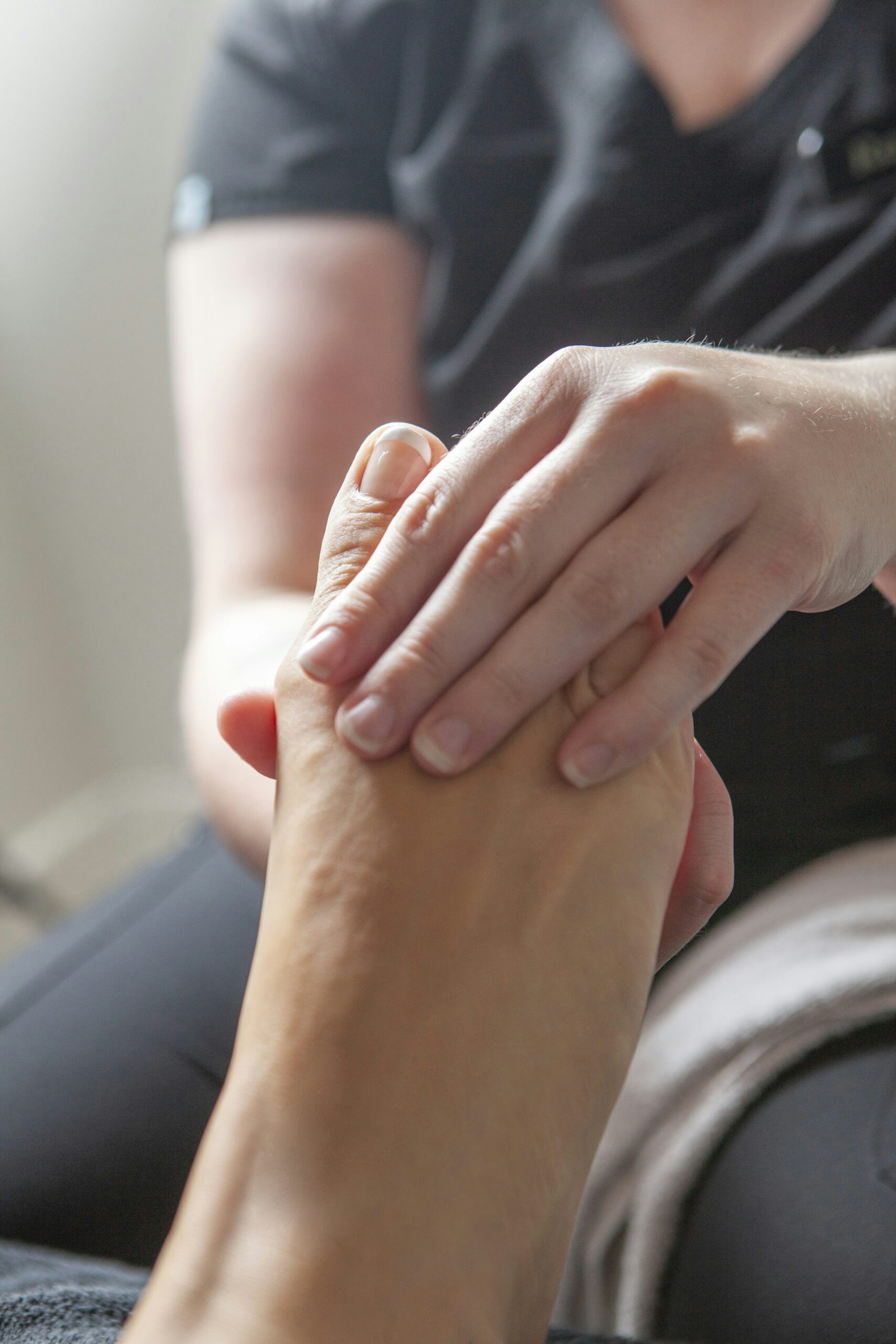
The concept of reflexology is simple: by applying pressure to specific areas of the feet, hands, or ears, practitioners believe that they can stimulate corresponding organs and systems within the body. This can lead to a range of benefits, from reduced stress and anxiety to improved digestion and even enhanced mental clarity. Whether you’re looking to address a specific health concern or simply want to indulge in a relaxing treatment, reflexology is definitely worth considering.
So, where can you find a reflexology practitioner near you? In this article, we’ll explore the world of reflexology, including its benefits, how it’s practiced, and where to find a skilled practitioner in your area. We’ll also provide tips for getting the most out of your reflexology session and answer some frequently asked questions about this ancient healing art.
Understanding the Benefits of Reflexology
Reflexology is a holistic practice that aims to promote overall wellness and balance within the body. By applying gentle pressure to specific areas, practitioners believe that they can stimulate the body’s natural healing processes and even improve the functioning of various organs and systems. Some of the benefits of reflexology include:
- Reduced stress and anxiety
- Improved circulation and blood flow
- Enhanced immune function
- Improved digestion and reduced symptoms of IBS
- Relief from chronic pain and inflammation
- Improved mental clarity and focus
- Boosted mood and reduced symptoms of depression
These benefits are backed up by scientific research, which has shown that reflexology can indeed have a positive impact on both physical and mental health. In one study, researchers found that reflexology reduced symptoms of anxiety and depression in patients with chronic pain. Another study found that reflexology improved circulation and reduced blood pressure in patients with cardiovascular disease.
Finding a Reflexology Practitioner Near Me
So, how do you find a reflexology practitioner near you? Here are a few options:
- Online Search: Simply typing "reflexology near me" into a search engine like Google will yield a list of practitioners in your area.
- Professional Associations: Look for professional associations like the American Reflexology Certification Board (ARCB) or the National Certification Board for Therapeutic Massage and Bodywork (NCBTMB) to find certified practitioners in your area.
- Word of Mouth: Ask friends, family, or coworkers for recommendations.
- Local Health Clinics: Many health clinics and wellness centers offer reflexology services.
When searching for a reflexology practitioner, make sure to check their qualifications and experience. Look for certifications from reputable organizations and read reviews from previous clients.
Types of Reflexology
There are many different types of reflexology, each with its own unique approach and focus. Some of the most common types include:
- Foot Reflexology: This is the most common type of reflexology, which targets specific areas of the feet to stimulate corresponding organs and systems.
- Hand Reflexology: This type of reflexology targets the hands, which are believed to correspond to different organs and systems within the body.
- Ear Reflexology: This type of reflexology targets the ears, which are believed to correspond to the brain and nervous system.
- Facial Reflexology: This type of reflexology targets the face, which is believed to correspond to the organs and systems of the body.
Tips for Getting the Most Out of Your Reflexology Session
Here are a few tips for getting the most out of your reflexology session:
- Arrive early to fill out any necessary paperwork and get settled.
- Communicate with your practitioner about any areas of concern or stress.
- Take deep breaths and relax during the session.
- Ask questions about the treatment and any follow-up recommendations.
- Don’t be afraid to ask for adjustments or modifications during the session.
Comparison of Reflexology and Other Massage Therapies
| Therapy | Description | Benefits |
|---|---|---|
| Reflexology | Targets specific areas of the feet, hands, or ears to stimulate corresponding organs and systems | Reduced stress and anxiety, improved circulation, enhanced immune function |
| Swedish Massage | A general massage technique that involves long strokes and kneading to promote relaxation and improve circulation | Reduced muscle tension, improved flexibility, enhanced mood |
| Deep Tissue Massage | A technique that targets deep layers of muscle and connective tissue to promote relaxation and reduce pain | Reduced muscle tension, improved range of motion, enhanced immune function |
| Acupuncture | A traditional Chinese medicine technique that involves inserting thin needles into specific points on the body to promote healing and balance | Reduced pain and inflammation, improved circulation, enhanced immune function |
Expert Tips: How to Get the Most Out of Your Reflexology Session
Here are a few expert tips for getting the most out of your reflexology session:
- Arrive early to fill out any necessary paperwork and get settled.
- Communicate with your practitioner about any areas of concern or stress.
- Take deep breaths and relax during the session.
- Ask questions about the treatment and any follow-up recommendations.
- Don’t be afraid to ask for adjustments or modifications during the session.
Frequently Asked Questions about Reflexology Near Me
Here are a few frequently asked questions about reflexology near you:
Q: What is reflexology?
A: Reflexology is a holistic practice that aims to promote overall wellness and balance within the body by applying gentle pressure to specific areas of the feet, hands, or ears.
Q: How does reflexology work?
A: Reflexology works by stimulating the body’s natural healing processes and improving the functioning of various organs and systems.
Q: What are the benefits of reflexology?
A: The benefits of reflexology include reduced stress and anxiety, improved circulation, enhanced immune function, and improved digestion.
Q: How often should I get reflexology?
A: The frequency of reflexology sessions depends on your individual needs and goals. Some people prefer to get reflexology regularly, while others prefer to get it sporadically.
Q: Can reflexology help with chronic pain?
A: Yes, reflexology has been shown to be effective in reducing chronic pain and inflammation.
Q: Is reflexology covered by insurance?
A: Some insurance plans may cover reflexology, but it’s best to check with your provider to confirm.
Q: Can I get reflexology if I’m pregnant or have a medical condition?
A: Yes, reflexology can be adapted to suit individual needs, including pregnancy and certain medical conditions.
Conclusion
Reflexology is a holistic practice that has been practiced for thousands of years, and its benefits are now available to you. Whether you’re looking to address a specific health concern or simply want to indulge in a relaxing treatment, reflexology is definitely worth considering. By following the tips outlined in this article, you can find a qualified reflexology practitioner near you and get the most out of your session. With regular practice, reflexology can help promote overall wellness and balance within the body, leading to a happier, healthier you.

