Tire Chains Near Me: Essential Guide to Staying Safe on Winter Roads
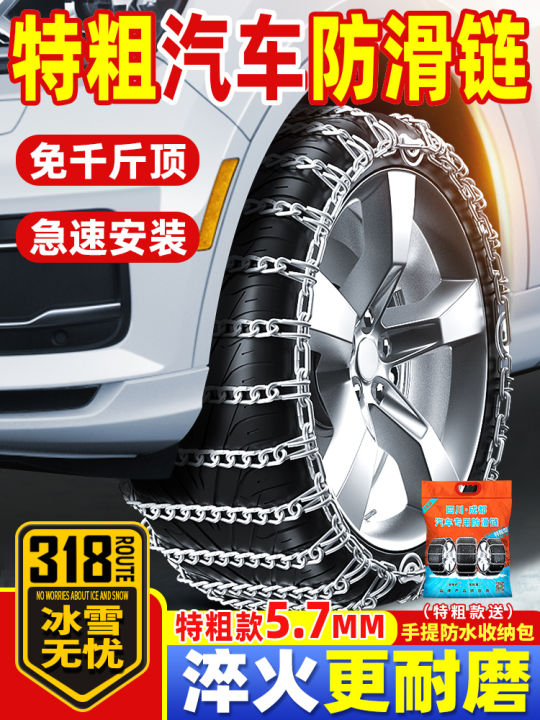
When winter hits, navigating slippery roads can be a daunting task. One crucial tool that can make all the difference is tire chains. But where can you find tire chains near you? In this comprehensive guide, we’ll cover everything you need to know about tire chains, from understanding buyer intent to expert tips on how to use them effectively.
Understanding Buyer Intent: Why Do I Need Tire Chains?
Before we dive into the details, let’s understand why tire chains are essential for winter driving. Tire chains are designed to provide traction on snowy and icy roads, helping you maintain control of your vehicle. Without them, you may find yourself struggling to stay on the road, which can lead to accidents, damage to your vehicle, or even injuries. In fact, according to the American Automobile Association (AAA), over 70% of winter driving accidents occur on snowy and icy roads.
Types of Tire Chains: Which One is Right for Me?
With various types of tire chains available, it can be overwhelming to choose the right one. Here are some common types of tire chains:
- Cable tire chains: These are the most common type and consist of a cable that wraps around the tire.
- S-trac tire chains: These chains have a unique S-shaped design that provides better traction.
- AutoSock tire chains: These are compact, inflatable tire chains that are easy to install.
When choosing tire chains, consider factors like your vehicle’s make and model, the type of driving you’ll be doing, and the road conditions you’ll encounter.
Comparison of Tire Chain Types
| Type | Description | Advantages | Disadvantages |
|---|---|---|---|
| Cable tire chains | Most common type, consists of a cable that wraps around the tire | Inexpensive, widely available | Can be time-consuming to install, may not provide enough traction on steep hills |
| S-trac tire chains | Unique S-shaped design provides better traction | Provides better traction on steep hills, easy to install | More expensive than cable tire chains, may not be suitable for all vehicles |
| AutoSock tire chains | Compact, inflatable tire chains that are easy to install | Easy to install, compact design | More expensive than cable tire chains, may not provide enough traction on steep hills |
Expert Tips: How to Use Tire Chains Effectively
Here are some expert tips on how to use tire chains effectively:
- Always check local regulations: Before installing tire chains, check with local authorities to see if they are allowed on your route.
- Choose the right size: Make sure to choose tire chains that fit your vehicle’s tires.
- Install chains correctly: Follow the manufacturer’s instructions for installing tire chains.
- Practice using chains: Practice using tire chains on a flat surface before hitting the road.
Frequently Asked Questions about Tire Chains Near Me
Here are some frequently asked questions about tire chains near me:
Q: Can I use tire chains on dry roads?
A: No, tire chains are designed for snowy and icy roads. Using them on dry roads can damage your vehicle’s tires and may not provide enough traction.
Q: How do I store tire chains?
A: Store tire chains in a dry, protected area, away from direct sunlight and moisture.
Q: Can I use tire chains on all vehicles?
A: No, tire chains are not suitable for all vehicles. Check your vehicle’s manual to see if it is compatible with tire chains.
Q: Are tire chains expensive?
A: The cost of tire chains varies depending on the type and quality. On average, cable tire chains can cost between $20-$50, while S-trac tire chains can cost between $50-$100.
Conclusion
Tire chains are a crucial tool for staying safe on winter roads. By understanding buyer intent, choosing the right type of tire chains, and following expert tips, you can ensure a safe and enjoyable winter driving experience. Remember to always check local regulations, choose the right size, and practice using chains before hitting the road. With the right information and preparation, you’ll be ready to tackle winter roads with confidence.
Meta Tags

