
When you’re experiencing nausea and vomiting, finding a solution quickly can be a lifesaver. Zofran, a medication commonly prescribed for nausea and vomiting, is available at pharmacies and stores near you. With its fast-acting formula, Zofran provides rapid relief from the unpleasant symptoms of nausea and vomiting, allowing you to get back to your daily life sooner.
If you’re searching for Zofran near you, there are several options to consider. You can visit a local pharmacy, talk to your doctor, or order online from a reputable pharmacy. Knowing where to find Zofran and how to use it effectively can make a big difference in your recovery.
In this article, we’ll explore the world of Zofran, its benefits, and how to find it near you. We’ll also discuss the different types of Zofran, its side effects, and expert tips for using it safely and effectively.
Types of Zofran and Its Benefits
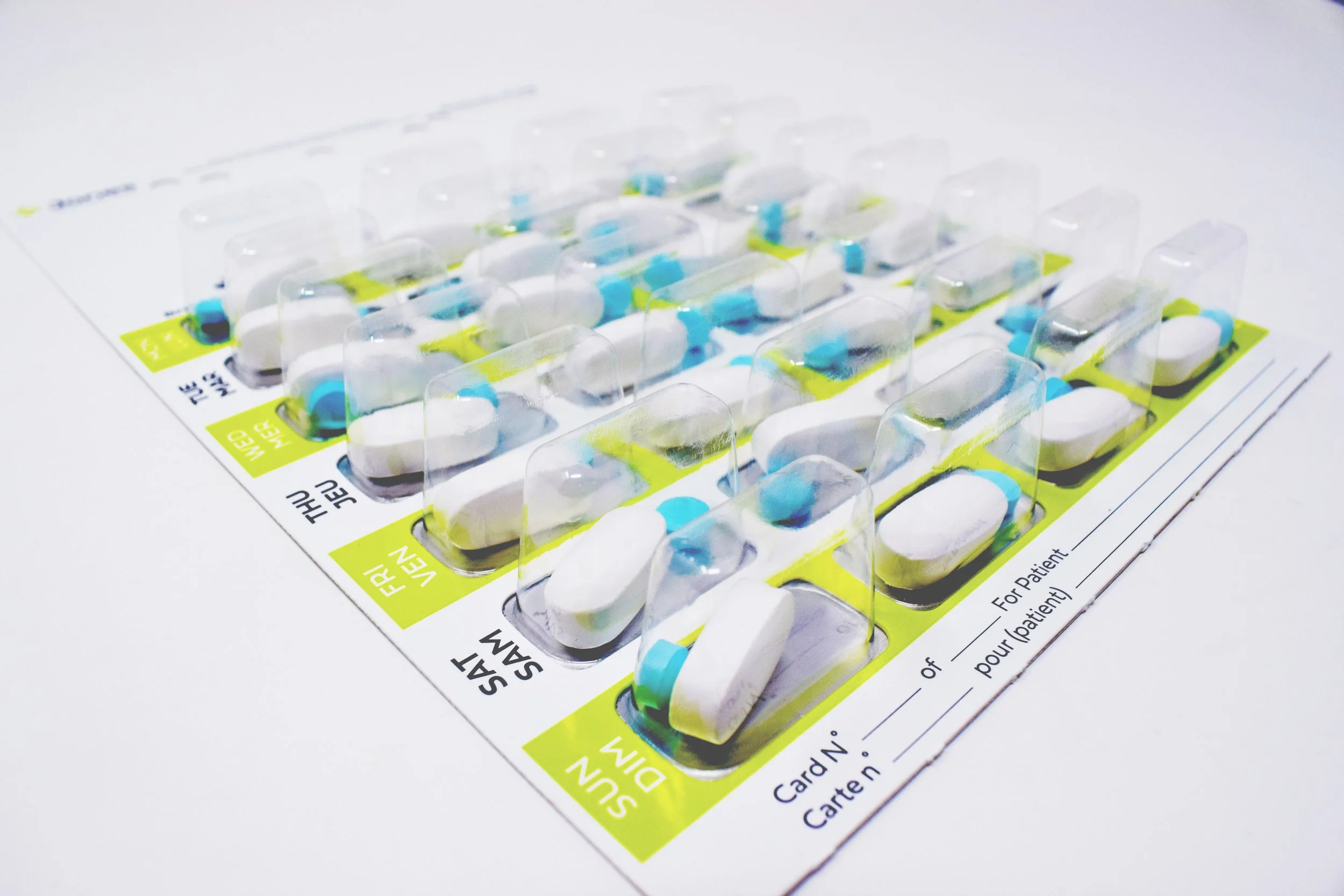
Zofran is a medication designed to provide quick relief from nausea and vomiting. It’s available in various forms, including oral solution, tablets, and injectable forms. The most common type of Zofran is the oral solution, which is easy to administer and provides fast-acting relief.
Zofran works by blocking the action of serotonin, a chemical in the brain that causes nausea and vomiting. By stopping serotonin from binding to receptors in the gastrointestinal tract, Zofran helps to reduce the frequency and severity of nausea and vomiting.
How to Use Zofran Effectively
When using Zofran, it’s essential to follow the recommended dosage and administration instructions carefully. The typical dosage for Zofran is 4-8 mg per day, taken orally 30 minutes before a meal or before a chemotherapy treatment. You can also take it as directed by your doctor.
To get the most out of Zofran, it’s crucial to stay hydrated and avoid heavy meals or greasy foods. Drinking plenty of water and eating small, frequent meals can help alleviate nausea and vomiting symptoms.
Who Should Not Take Zofran
While Zofran is generally safe for most people, there are certain individuals who should avoid taking it. These include:
* Children under 2 years old
* People with a history of allergy to ondansetron
* Pregnant or breastfeeding women
* People with severe kidney or liver disease
If you’re unsure about whether you can take Zofran, consult with your doctor or pharmacist for personalized advice.
Comparison of Zofran with Other Nausea Medications
| Medication | Type | Dosage | Effectiveness |
| — | — | — | — |
| Zofran | Oral solution | 4-8 mg | 85-90% effective |
| Kytril | Oral tablets | 1-2 mg | 70-80% effective |
| Reglan | Oral tablets | 1-2 mg | 60-70% effective |
This comparison table highlights the differences between Zofran and other commonly prescribed medications for nausea and vomiting. Zofran stands out as the most effective option, with a high success rate in controlling nausea and vomiting symptoms.
Expert Tips for Using Zofran Safely
• Always follow the recommended dosage and administration instructions carefully.
• Stay hydrated by drinking plenty of water and eating small, frequent meals.
• Avoid heavy meals or greasy foods.
• Inform your doctor or pharmacist about any medications you’re taking.
• Be aware of potential side effects and report them to your doctor if they persist.
Frequently Asked Questions about Zofran Near Me
Q: Can I buy Zofran online?
A: Yes, you can buy Zofran online from reputable pharmacies. However, be sure to consult with your doctor or pharmacist before ordering and follow their recommendations.
Q: How long does Zofran stay in your system?
A: Zofran typically stays in your system for 24-48 hours. However, this may vary depending on the individual and the dosage taken.
Q: What are the side effects of Zofran?
A: Common side effects of Zofran include headache, dizziness, and constipation. If you experience any persistent side effects, consult your doctor or pharmacist for advice.
Q: Can I take Zofran with other medications?
A: Always consult with your doctor or pharmacist before taking Zofran with other medications. Some medications may interact with Zofran and cause adverse effects.
Q: Is Zofran available over-the-counter?
A: No, Zofran is a prescription medication and requires a doctor’s prescription to purchase.
Q: Can I take Zofran if I’m pregnant?
A: It’s essential to consult with your doctor before taking Zofran if you’re pregnant or breastfeeding. Zofran may not be suitable for pregnant or breastfeeding women.
Q: How long does it take for Zofran to work?
A: Zofran typically starts working within 30 minutes of administration, providing fast relief from nausea and vomiting symptoms.
Q: Can I buy Zofran at a local pharmacy?
A: Yes, you can buy Zofran at a local pharmacy, but be sure to consult with your doctor or pharmacist before purchasing.
Q: What is the cost of Zofran?
A: The cost of Zofran varies depending on the pharmacy and dosage. Consult with your doctor or pharmacist for the most up-to-date pricing information.
Q: Can I take Zofran with food?
A: Yes, you can take Zofran with food. However, try to avoid heavy meals or greasy foods, as they may exacerbate nausea and vomiting symptoms.
Conclusion
In conclusion, Zofran is a fast-acting medication for nausea and vomiting. When searching for Zofran near you, consider visiting a local pharmacy or ordering online from a reputable pharmacy. Always follow the recommended dosage and administration instructions carefully and stay hydrated to get the most out of Zofran. With its high success rate and fast-acting formula, Zofran is an excellent option for those experiencing nausea and vomiting symptoms.
If you’re unsure about any aspect of Zofran or have further questions, consult with your doctor or pharmacist for personalized advice.

